

A plumbing opening in a cabinet or vanity looks simple until the panel is measured against the actual pipework. The hole may need to pass a supply line, waste pipe, trap connection, shutoff valve, flexible hose, or service fitting through plywood, MDF, laminate, plastic, thin metal, or a mixed construction. Pipe outside diameter alone rarely defines the finished cut. Fittings, movement, escutcheons, alignment, access, visible surfaces, and installation sequence all influence the cutter size and kit contents that a distributor or project supplier needs to order.
Quick Answer
A hole saw manufacturer matches plumbing-cabinet cutters to the opening schedule, panel material and thickness, pipe and fitting envelope, finished clearance, drill interface, pilot and arbor system, expected quantity, refill plan, and OEM packaging. The suitable hole saw program may combine several diameters with compatible pilots and arbors rather than treating one nominal pipe size as a complete specification.
At Bestwin, we manufacture and supply hole saws, arbors, pilot drills, sets, and related cutting accessories for distributors, cabinet manufacturers, plumbing-kit suppliers, contractors, wholesalers, and OEM customers. We connect each approved product or set to a defined panel, opening, drill, label, sample result, and order code. That keeps project selection and repeat purchasing aligned.
The Opening Schedule Starts with the Pipe and Fitting Envelope
The nominal pipe size is only one input. An opening may need to pass the plain pipe, a threaded or socket fitting, a compression nut, a flexible coupling, a trap arm, a valve body, or an insulated section. The largest component that passes through the panel can be wider than the pipe itself. Installation tolerances and future service access can add more clearance.
Our hole saw review starts with a schedule for every opening. The customer provides the pipe or component description, actual outside diameter, largest fitting envelope, intended clearance, panel location, visible-face requirement, quantity per cabinet, and whether the opening is cut before or after cabinet assembly. A drawing or approved hole saw sample is more useful than a trade name that varies by market.
The schedule also identifies the relationship between neighboring holes, shelves, drawer boxes, back rails, hinges, fasteners, and wall connections. A hole saw can fit the pipe diameter and still be unsuitable if its body, arbor, or drill cannot reach the intended position. The hole saw manufacturer therefore needs the complete geometry around the cut, not only a diameter list.
Table 1. Plumbing-Cabinet Opening Information
| Opening or condition | Why it changes the product match | Information we request |
|---|---|---|
| Supply line | Clearance and finish can be small | Tube outside diameter, fitting, escutcheon, tolerance |
| Waste or trap connection | Fittings can exceed pipe diameter | Largest passing component, alignment range, access need |
| Shutoff valve or service fitting | Body and handle may affect access | Installation sequence, service envelope, visible limit |
| Flexible hose route | Movement and bend radius can matter | Hose size, coupling size, required movement |
| Multiple services in one cabinet | Hole spacing can restrict tool access | Center locations, panel edges, shelves, hardware |
| Factory-cut cabinet panel | Repeatability and appearance drive approval | Drawing, jig, machine, quantity, finish acceptance |
| Field installation kit | Drill variety and replacement planning matter | Drill type, chuck, installer volume, refill method |
Opening clearance needs a purpose. A close-fitting passage can improve appearance, while a larger opening can accommodate field alignment, fitting movement, insulation, or service access. The cabinet or plumbing designer defines that purpose. We match the cutter diameter to the approved finished opening rather than automatically adding an arbitrary allowance.
Plywood, MDF, Laminate, Plastic, and Thin Metal Need Different Cutters
Cabinet and vanity panels are not one material category. A plywood back can combine veneers and adhesive layers. MDF is uniform but can produce fine dust and sensitive finished edges. Particleboard may have a decorative melamine or laminate face. Plastic liners and thin metal panels respond differently to tooth form, heat, feed, and chip removal. A mixed panel can place two or more of these materials in one cut.
The customer identifies the substrate, surface layer, total thickness, density or grade when known, and whether one or both faces remain visible. We also ask whether the work is performed on a factory machine, a drill press, a portable corded drill, or a cordless drill. These facts influence the hole saw material, tooth geometry, body depth, pilot arrangement, and set design.
Bi-metal hole saw products can cover many wood, plastic, and thin-metal tasks when the exact material and operating range are confirmed. An HSS hole saw assembly can suit another defined material and opening program. Carbide-tipped products are considered where the workpiece and thickness require that product family. The label on a cutter does not replace a sample in the actual panel construction.
Mixed-material cabinets need particular attention. A thin steel liner over wood can change the entry behavior and chip load. Laminate can make surface chipping more visible. Hidden screws, brackets, or reinforcement can damage the cutting edge and invalidate the sample result. A hole saw manufacturer can match a product only when the complete layer stack and any known reinforcement are disclosed.
Finished Diameter Must Include Clearance and Visible Trim
A drawing can specify the cutter diameter, the minimum finished opening, or the maximum visible opening. These are related but not identical. Cutter runout, machine condition, panel movement, surface breakout, coating, and measurement method can create small differences between the nominal tool and the finished hole.
For a concealed back-panel opening, the acceptance range may focus on pipe clearance and the absence of structural damage. A visible vanity side panel can require a cleaner edge because no escutcheon covers the cut. An opening behind a removable shelf may need enough room for later service. The customer defines which faces are visible and which trim components will cover the edge.
Our hole saw manufacturer sample record separates nominal hole saw size from finished-hole acceptance. It can include diameter range, roundness, edge chipping, burr, laminate damage, coating marks, and the permitted rework or trim condition. This prevents a set from being approved only because the pipe passed through one test panel.
The largest fitting envelope and the smallest acceptable visible opening sometimes conflict. In that case, the cabinet or plumbing design may change the installation sequence, use a removable panel, split the access path, or choose a different trim solution. The cutting tool cannot resolve a geometry conflict that remains in the product design.
Body Depth and Access Space Affect the Complete Assembly
Panel thickness alone does not determine whether the tool reaches. The hole saw body needs enough cutting depth, while the pilot must engage the material before the teeth contact the face. The arbor, drill chuck, and hole saw body require space in front of the panel. Shelves, drawer runners, pipes, frames, and the cabinet wall can restrict that access.
For factory production, the fixture can hold a flat panel before cabinet assembly. That arrangement may permit stable support, clear chip removal, and access from either face. Field work often occurs inside an assembled cabinet where the drill is held at an angle and the rear side is difficult to reach. One approved cutter can behave differently when the access and machine change.
We request panel thickness, distance to the nearest obstruction, available drill length, pilot projection, arbor length, and whether the cut can be completed from both sides. The hole saw match also includes the chuck capacity and shank form. A hole saw that fits the material but not the customer’s drill interface is not a complete product selection.
Deep cabinets and corner installations may favor a different sequence or accessory arrangement from open factory panels. The customer defines the permitted installation method and safety controls. Our role is to supply the compatible cutter, pilot, and arbor system for the approved method, not to replace the equipment maker’s operating instructions.
The Pilot and Arbor System Controls Fit and Reordering
The pilot drill starts the location and guides the cutting assembly. The arbor connects the cutter to the drill and transfers torque. Thread, pin, shank, pilot diameter, pilot projection, chuck capacity, and locking method all have to work together. Mixing visually similar components from different systems can create poor engagement or an order that cannot be assembled.
At the RFQ stage, the customer lists the drill types, chuck sizes, preferred shanks, cutter diameters, and whether quick-change operation is part of the program. We can then match the hole saw bodies, pilots, and arbors as one product system. The resulting order code identifies the complete assembly or clearly separates its compatible parts.

A multi-size distributor kit may need more than one arbor because small and large cutters use different interfaces. Spare pilot drills can be stocked separately from the cutters. A factory line may keep arbors in service longer than the cutting bodies, while an installer kit may replace them together after damage. The refill plan follows the real consumption pattern.
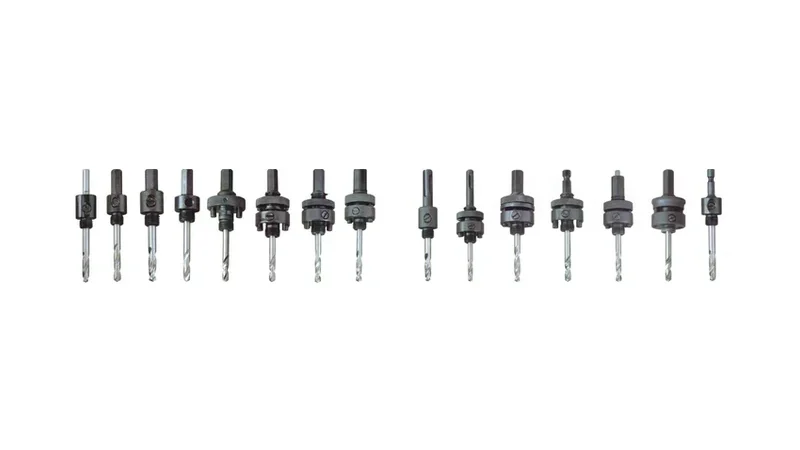
Accessory identity is important for repeat orders. Packaging, inserts, labels, and parts lists can show which arbor and pilot fit each cutter range. This reduces the chance that a reseller or installer replaces one component with an incompatible item merely because the shank looks similar.
Tooth Form and Chip Space Must Match the Panel Stack
The cutting edge has to remove material through the full panel thickness without packing the body with chips. Coarse wood layers, fine MDF dust, softened plastic, laminate fragments, and thin metal chips create different loads. The selected hole saw family therefore follows the actual panel stack and machine condition.
A larger diameter also changes torque and chip volume. The same drill that handles a small supply-line opening may have limited capacity for a larger waste-pipe cut. Battery state, chuck condition, machine speed range, fixture support, and expected daily quantity all belong in the sample description because they affect whether the product is suitable for the program.
Our hole saw manufacturer review does not reduce the decision to a tooth count. We compare material, thickness, hole saw diameter, cut quantity, machine, access, cooling or chip-removal method where applicable, and edge acceptance. Product material and geometry are then connected to a defined application code.
For a neutral explanation of the basic tool form, a hole saw is an annular cutter used with a drill, commonly with a pilot at the center. Plumbing-cabinet purchasing still requires the surrounding details: the panel, finished opening, drill, accessory system, quantity, and packaging.
Visible Surfaces Need a Separate Appearance Limit
Plumbing openings can be hidden behind a cabinet, concealed by an escutcheon, or exposed on a finished vanity side. Each situation permits a different edge condition. A product approved for a hidden back may not be acceptable on a high-gloss laminate face even when the diameter is correct.
The customer marks the entry face, exit face, visible surfaces, trim coverage, and any coating or laminate that must remain intact. Acceptance can address surface chipping, lifted laminate, burrs, heat marks, scratches, roundness, and the area covered by the final fitting. A photograph of an approved sample can support the written limit, but it does not replace dimensions and material identity.
Factory production may use a jig, backing support, controlled machine, or two-sided cut when the cabinet process permits it. Field installers may work with a portable drill and limited rear access. These are different application codes even if the opening diameter matches. The hole saw sample has to represent the method associated with the order, and the same hole saw code cannot be extended to both methods without confirmation.
Visible-finish requirements also affect set composition. A distributor serving cabinet factories may need dedicated product codes for laminated panels and metal service panels. A mixed field kit can prioritize practical coverage across common materials. One generic description cannot define both programs without stating their limits.
A Plumbing Kit Needs Sizes Based on Real Service Combinations
A useful set is built from the opening schedule, not from the largest possible number of pieces. Common supply, waste, vent, hose, and service openings vary by market and product. The cabinet program may need several frequently used diameters, while a specialist installer needs one large size and several smaller refills.
The customer can rank each hole saw diameter by cabinets per month, holes per cabinet, material, thickness, visible requirement, and expected replacement rate. The hole saw manufacturer uses that demand map to define the initial set and separate refill SKUs. Slow-moving diameters do not need to occupy every case if they can be ordered individually.
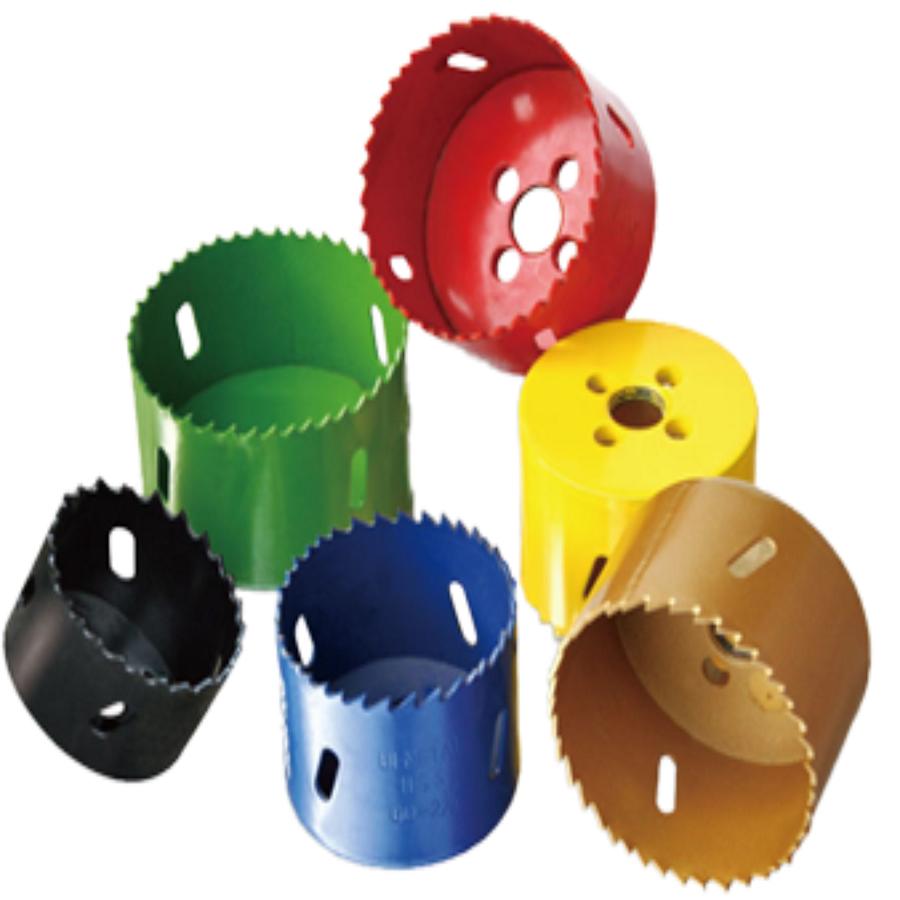
Table 2. Product Program by Plumbing-Cabinet Situation
| Application situation | Product-program focus | Sample and purchasing condition |
|---|---|---|
| Factory-cut plywood cabinet backs | Repeat diameters and stable fixture fit | Actual panel, machine, jig, daily quantity |
| Laminated vanity side panels | Visible-edge acceptance | Entry face, trim coverage, chipping limit |
| Plastic service panels | Heat and chip behavior | Resin type, thickness, speed range, quantity |
| Thin metal liners or appliance panels | Material-specific cutting assembly | Metal grade, thickness, support, burr limit |
| Mixed field installation kits | Drill compatibility and practical size coverage | Chuck, shank, installer profile, refill plan |
| OEM retail or plumbing kits | Set identity and packaging | Piece list, insert, label, barcode, order volume |
Set count is not a substitute for product identity. A kit record names every cutter diameter, body material, interface, arbor, pilot, accessory, case position, and refill code. That information allows a distributor or OEM customer to order the same approved configuration later.
Samples Must Use the Actual Cabinet Panels and Fittings
A useful hole saw sample includes the complete variables that change the purchasing decision: panel substrate and finish, thickness, opening diameter, pipe or fitting envelope, machine, pilot, arbor, chuck, access, visible-face limit, and expected cut quantity. Testing only a loose scrap of different material can approve the wrong product.
The sample plan can cover a representative small opening, a high-volume middle size, and the largest or most demanding opening. If the program includes plywood, laminate, plastic, and thin metal, each material receives its own application code and acceptance result. The hole saw manufacturer does not treat one successful cut as proof for unrelated panel stacks.
Acceptance focuses on the finished cabinet. The fitting passes with the intended clearance. The visible edge remains within the agreed limit. The cutter reaches through the panel. The drill and arbor interface correctly. The slug can be removed under the approved process, and the planned number of cuts can be completed for qualification. Production-life expectations then follow a separately agreed sampling plan rather than an unsupported universal claim.
Sample quantity depends on the program. One set may support an early size and fit review, while several sets can cover parallel factories, multiple panel materials, installer trials, packaging approval, or regional product codes. The record identifies the exact cutter and accessory revision intended for production.
At Bestwin, we support sample matching, OEM set configuration, labels, packaging, quality control, and repeat supply. For a plumbing hole saw supplier program, connecting the approved panel, diameter, drill, arbor, and package to one customer code supports batch traceability.
Batch Orders Must Preserve Cutter and Accessory Identity
After approval, the production specification keeps the cutting system fixed. The record can include cutter diameter, body material, tooth form, cutting depth, interface, arbor, pilot, shank, markings, surface finish, set layout, insert, label, barcode, packaging, inspection points, and customer order code.
Change communication is agreed before volume orders. The customer identifies which material, geometry, interface, marking, packaging, or document changes require notice and whether another sample is necessary. Our manufacturing and quality process can then follow a defined approval route.
Inspection focuses on the characteristics that determined the purchase: diameter identity, body depth, interface, pilot and arbor compatibility, markings, case contents, labels, and the agreed sample checks. The exact plan follows the product and order rather than becoming a generic workshop manual.
Forecasts help preserve availability. Monthly call-off, annual volume, refill ratio, destination, packaging language, barcode plan, spare parts, and delivery schedule allow us to separate initial kits from replacement cutters and accessories. As a cabinet hole saw factory, we can maintain a clear variant map across factory packs, installer sets, and OEM retail configurations.
Send the Panel Stack, Opening Schedule, and Kit Plan
A useful RFQ gives us the facts needed to match the product without repeated assumptions. Technical inputs include every finished opening diameter, pipe and fitting envelope, panel material and layers, thickness, visible faces, trim coverage, available access, drill type, chuck, speed range, shank, pilot, arbor, expected daily cuts, and sample acceptance limits.
Application inputs identify the cabinet or vanity type, factory or field method, fixture, neighboring hardware, shelves, drawer boxes, pipework, installation sequence, service-clearance need, and regional size conventions. Commercial inputs include sample quantity, cutter and refill quantities, set composition, OEM colors or markings, insert, label, barcode, annual volume, batch schedule, destination, and change-notification requirements.
The correct program follows the complete plumbing opening rather than a pipe label alone. As your hole saw manufacturer, we can match cutter family, diameter, pilot, arbor, set layout, sample, packaging, and batch controls to cabinet and vanity production, then carry the approved configuration into repeat orders.










 English
  العربية
  Français
  Português
  Português do Brasil
  Italiano
  简体中文
简体中文  繁體中文
繁體中文  日本語
日本語  한국어
한국어  Deutsch
  Español
  Slovenčina
  ไทย
ไทย  Türkçe