

A container workshop often discovers the real drilling problem after the repair has started. A replacement latch plate does not line up with old holes, a rivet spins instead of releasing, a plywood floor panel needs new fixing points, or a service opening lands on a corrugation rather than a flat surface. The material may be thin steel in one area and a heavier door member a few minutes later. For repair depots, conversion workshops, distributors, and mobile maintenance teams, a useful drilling set is built around those different duties. Diameter still matters, but so do the cutting edge, working length, shank, chip clearance, access, and condition of the container itself.
Quick Answer
Choose a Drill bit for shipping container repair and modification from the exact material and hole function. Thin corrugated steel needs a stable start and controlled breakthrough. Door hardware and frame members place more demand on edge strength and chip removal. Plywood or timber floors need a wood-cutting direction that clears chips without tearing the surface. Existing rivets and damaged fasteners add another duty because the tool must remove the old part without enlarging the mounting hole.
Bestwin manufactures drilling products for tool distributors, container workshops, fleet maintenance programs, OEM customers, and industrial supply channels. Our range covers metal, wood, masonry, and mixed maintenance needs, with product and kit configurations that can be matched to recurring repair tasks. A Drill bit is more useful when its item code identifies a real duty instead of only a diameter.
Start With the Hole Function and the Container Part
Two holes of the same nominal size may require different products. One may remove a damaged rivet from a locking-rod bracket. Another may prepare a clearance hole for a bolt through a door component. A third may accept a screw in the plywood floor. The drawing or replacement part defines the result, but the surrounding material determines how the Drill bit reaches it.
On corrugated sidewalls and roof panels, the sheet is relatively thin and rarely presents a broad, flat surface. The curved profile can let the point slide before both cutting lips engage. Once the tool breaks through, the remaining sheet offers little support, so heavy feed pressure can pull the cutting edge into the hole and leave a distorted rim. A repair that will receive a sealed fastener, patch plate, or fitted component needs a cleaner result than a temporary access hole.
Door assemblies are different. Hinge components, locking-rod brackets, retainers, and reinforcement plates may combine several thicknesses, welds, old coatings, and corrosion. A Drill bit that cuts acceptably through a clean skin panel may slow quickly in a stacked joint or wander on a worn rivet head. The job may also offer limited room for the drill body, especially near hinges, seals, and locking gear.
Floor work adds plywood, bamboo composite panels, timber inserts, and steel cross members to the same workshop order. A pilot hole for a floor screw is not the same duty as a through-hole for a bolt or a deeper hole in a timber support. The floor coating, board condition, hidden steel, and required depth all influence the suitable Drill bit family.
Table 1. Drill Bit Direction by Container Repair Duty
| Container part or task | Typical cutting condition | Useful product direction | Main approval point |
|---|---|---|---|
| Corrugated steel skin | Thin coated sheet on a curved profile | Sharp metal-cutting or suitable multifunctional Drill bit | Stable start, round hole, limited burr and coating damage |
| Door bracket or reinforcement | Thicker or stacked steel with restricted access | HSS metal-cutting Drill bit with suitable length and shank | Cutting progress, diameter control and clearance around the drill |
| Damaged rivet removal | Centered cutting through a rivet head or body | Short, rigid Drill bit matched to rivet material | Old fastener releases without enlarging the base hole |
| Plywood floor fixing | Coated wood panel with possible voids or worn edges | Wood Drill bit or twist direction approved for the board | Clean entry, controlled depth and secure fastener fit |
| Timber support or blocking | Deeper wood hole with greater chip volume | Auger-style Drill bit where the structure and machine allow it | Straight tracking, chip clearance and usable working length |
| Concrete pad or depot fixture | Anchor hole outside the container shell | Hammer-compatible Drill bit matched to the holder and anchor data | Correct shank, diameter, depth and dust removal |
The table separates product directions rather than claiming one universal tool. The final choice still depends on actual steel grade, thickness, coating, board construction, fastener, machine, and expected hole count.

Thin Steel Skins Reward Control More Than Aggression
Container walls and roofs can make a sharp Drill bit feel unstable because the work surface is narrow, curved, painted, and sometimes dented. A technician may press harder to keep the point in place. That extra pressure often makes the breakthrough worse. The bit can grab as the last ring of metal gives way, leaving a triangular opening, a raised burr, or a chipped coating around the hole.
A clean start begins with accurate marking and firm support where the repair method permits it. The point geometry must establish the center before the full diameter starts cutting. For repeated holes in patch plates or conversion panels, a guide or fixture reduces the variation that comes from following the corrugation by hand. Shorter, more rigid tools are often easier to control when the required depth is small and access is open.
The cutting edges also need to remain balanced. If one lip wears faster, the Drill bit may cut oversize or leave an out-of-round hole even though the shank looks straight. This matters when a rivnut, sealed screw, grommet, or bolt relies on predictable clearance. A burr that seems minor can prevent a washer from seating or can damage a coating during tightening.
Heat shows up quickly in thin coated steel. Blue discoloration on the tool, polished cutting edges, smoking residue, or a rapid change in chip shape suggests that the Drill bit is rubbing more than cutting. The answer is not automatically more speed. A sharper product, steadier feed, suitable cutting condition, and timely chip clearing usually matter more than forcing the same tool through another row of holes.
Container repair also exposes old paint, rust scale, sealant, and field-applied coatings. These layers can hide the base metal and disturb the start. Loose surface material should not be treated as cutting lubricant. The sample trial needs to reproduce the actual surface condition because a product tested only on clean workshop sheet may behave differently on weathered equipment.
For conversion work, the finished hole may become part of an enclosure detail. Deburring and coating repair remain separate steps, but the Drill bit determines how much damage those steps must correct. A round opening with a narrow, consistent burr is easier to finish than a torn edge that has stretched the panel.
Door Hardware and Old Rivets Need a Dedicated Metal Duty
A container door concentrates wear around hinges, locking rods, retainers, handles, keepers, and brackets. Repairs often begin with old fasteners rather than blank material. Paint can obscure a rivet center. Corrosion may reduce the head unevenly. Previous repairs may have left an off-center hole or a harder replacement fastener. The Drill bit must start on that imperfect surface without skating into the surrounding bracket.
Rivet removal depends on matching the product diameter and point to the fastener being removed. A tool that is too small may drill a deep pilot without releasing the head. One that is too large can cut into the bracket before the operator feels the rivet let go. The useful result is controlled separation of the old fastener while preserving the original mounting point.
Thicker door members create a different load from thin skin. More material contacts the cutting edges, the flutes carry chips for longer, and heat has more time to build. A Drill bit with insufficient working length may fill its flutes before the hole is complete. A very long tool can reach the area but may flex more under side load. The order therefore needs working length and overall length, not only diameter.
Access around door hardware can decide whether the selected product is usable. A standard drill and long bit may collide with the locking rod, door seal, or adjacent container. A shorter Drill bit in a compact machine may be easier to hold square. Where a right-angle attachment or different holder is used, the shank must fit securely and the complete rotating assembly must stay clear of nearby hardware.
Old container steel is not uniform. A repair may pass through a bracket, weld-affected area, backing plate, or replacement patch. Sudden changes in cutting sound and chip formation deserve attention. Forcing the tool after progress stops can round the edges, bend the body, or enlarge the entry. The operator should clear the hole and inspect both the work and the Drill bit before continuing.
The approved metal item should be recorded against specific duties such as latch-bracket rivets, hinge hardware, patch-plate bolts, or accessory mounting holes. That small distinction gives the workshop a better refill plan than a single box labeled “metal bits.” It also lets a distributor supply the high-use diameters without replacing a complete assortment.
Floor Panels Need Their Own Wood Cutting Direction
Container floors are commonly built from thick plywood or related panel products fixed over steel cross members. Repair work may involve removing a damaged panel, drilling pilot holes for replacement fasteners, adding a threshold detail, or preparing a through-hole for an approved fitting. The top coating can be harder and more abrasive than the wood beneath it, while worn areas may contain moisture, dirt, or crushed fibers.
For a pilot hole, the Drill bit must track straight and leave enough material for the fastener to hold. An oversized hole reduces thread engagement. An undersized pilot can increase installation torque and split a weakened edge. The correct diameter depends on the fastener, board condition, and repair specification rather than a general rule for all container flooring.
When the hole passes through the panel, the exit side needs support if the underside will remain visible or must seat against another component. A sharp wood-cutting product reduces surface tearing, but feed pressure still needs to ease near breakthrough. If the Drill bit meets a hidden steel member, the change in sound and progress should stop the operation. A wood auger is not a substitute for a metal-cutting tool simply because both share the same nominal diameter.
Deeper holes in timber blocking create more chips and more friction along the body. An auger-style Drill bit can suit that work when its screw point, flute form, length, and machine interface match the material and access. The self-feeding action that helps in sound timber may be too aggressive near a damaged edge or thin remaining section. A representative piece gives a more useful answer than a catalog description.

Floor repair sets benefit from a clear separation between metal and wood items. The case position, printed application label, and item code should make the intended material obvious. A mixed toolbox can otherwise return a dulled metal tool to wood duty or send an auger toward a hidden steel member. Edge protection in the case matters too because exposed points can strike other tools during transport between depot bays.
A floor-repair assortment can be organized by pilot holes, through-holes, deeper timber work, and general repair sizes so that each Drill bit keeps a recognizable role. Clear size and duty labels also make replacement packs easier to control.
Shank Fit and Access Decide Whether the Product Works On Site
Cutting geometry receives most of the attention, but a product cannot perform properly if its shank does not fit the available holder. Container repair teams may use corded drills at a depot, cordless drills in a yard, compact machines inside a conversion, or rotary hammers for separate anchor work. Round, hex, reduced, and SDS-style interfaces do not serve the same tools or operating modes.
A three-jaw chuck needs enough clean shank length to grip securely. Oil, rust, burrs, or a damaged chuck can let the Drill bit slip even when the cutting end is suitable. Hex shanks can improve drive engagement in a compatible holder, but they do not make every cutting product suitable for impact use. SDS products belong in the specified rotary-hammer system and should not be treated as ordinary round-shank metal tools.
Overall length also changes the working envelope. Inside a container, shelving, linings, electrical parts, and finished surfaces may sit close to the marked hole. Outside, an adjacent container or stacked arrangement can limit the space behind the drill. A longer Drill bit may reach past an obstruction, yet the operator still needs room for the chuck and tool body. A shorter option often gives better control when reach is not required.
The general term Drill bit covers many geometries and materials, which is why diameter alone is a weak specification for a mixed container-repair program. The item description should include its intended work material, cutting form, diameter, working length, overall length, and shank. Coating or finish can be added where it has a defined product purpose.
A Drill bit manufacturer serving this market needs to keep those identities stable from sample to repeat order. Bestwin can manufacture and supply defined bit families, set layouts, packaging, marking, and replacement quantities for distributor and OEM programs. The useful value is consistency around an approved task, not a promise that one item will handle every container material.
Sample Trials Should Reproduce Real Repair Conditions
A bench test in clean flat steel is a useful first check, but it does not represent the complete container job. Corrugation, coatings, corrosion, stacked metal, restricted access, worn fasteners, floor panels, and portable machines all change the result. Sample approval should therefore include the common duties that drive the purchase.
Begin with the actual product assembly: Drill bit, holder or chuck, machine, guide if used, and expected cutting condition. Use representative scrap from retired containers or approved material that matches the repair specification. Record the point at which the tool first starts cleanly, the condition of the hole during cutting, and the fit of the real fastener or component after deburring.
For thin steel, inspect entry location, roundness, burr height, edge tearing, and coating disturbance. For rivet removal, inspect the original mounting hole after the old fastener releases. For door steel, confirm progress through the full thickness and watch for uneven wear. For floor panels, inspect entry fibers, exit damage, depth control, and fastener fit. These checks connect the Drill bit to the repair outcome instead of treating “it made a hole” as the only pass condition.
Repeated cutting matters as much as the first hole. The trial should include enough cycles to reveal edge wear, chip packing, heat build-up, and changes in diameter. A Drill bit that cuts one clean opening may still be a poor choice for a depot that repeats the same bracket repair all week. Record the first, middle, and final holes so the approval is tied to a useful operating window.
Table 2. Sample Acceptance for Container Repair Drilling
| Check | What to observe | Why it affects the product decision |
|---|---|---|
| Starting control | Point stays on the mark without excessive wandering | Protects hole position on corrugated, painted, or worn surfaces |
| Finished diameter | Fastener or fitting seats with the intended clearance | Confirms the Drill bit and setup produce the required fit |
| Hole shape | Opening remains round without severe tearing or grabbing | Indicates balanced cutting and stable support |
| Burr and coating | Edge cleanup remains controlled and surrounding coating damage is limited | Reduces finishing work before sealing or coating repair |
| Chip flow | Flutes clear chips through the required thickness or depth | Reduces rubbing, heat, and interrupted cutting |
| Tool condition | Point, lips, flutes, body, and shank remain serviceable | Supports a realistic replacement interval |
| Repeat holes | Later holes remain within the approved result | Confirms the product suits the expected repair quantity |
Approval records should name the task and material, not only the container model. Containers of similar external appearance can have different repairs, replacement parts, coatings, and floor systems. A duty-based record remains more useful when the workshop receives mixed fleets.
A Workshop Assortment Should Follow the Repair Schedule
Large sets can look complete while missing the few products a container depot uses every day. The better starting point is the repair schedule: common rivet diameters, patch-plate bolts, door-hardware holes, floor fasteners, timber depths, and any separate anchor duties. Each recurring task receives an item code, approved diameter, working length, shank, and replacement quantity.
High-use metal sizes deserve individual refill packs. Rivet and bracket work can consume a narrow range faster than the rest of the case. Floor repair may rely on a different small group. If the workshop must replace an entire kit whenever one Drill bit wears out, inventory becomes expensive and the remaining tools accumulate without a clear use.
The physical layout should reinforce the duty plan. Separate metal, wood, and masonry groups. Keep short repair bits apart from longer reach products. Protect cutting ends and make missing pieces visible. A case insert, printed size sequence, barcode, and application label help the storekeeper issue the correct refill without opening every package.
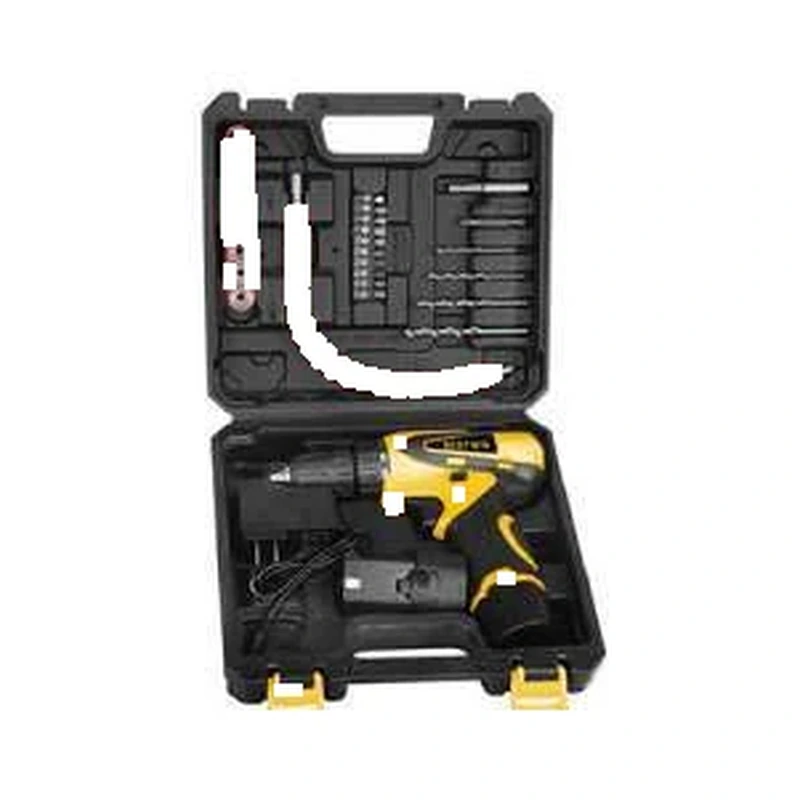
A Drill bit supplier can support this program by maintaining the approved construction, markings, pack quantities, and set layout across repeat orders. Bestwin supports distributor packs, OEM branding, application-oriented assortments, and replacement supply for drilling products. These options matter when the same workshop standard must be repeated across several depots or service vehicles.
Packaging also needs to survive transport. Container technicians often carry tools between outdoor rows, mobile service vehicles, and repair bays. Loose products can strike each other, dull points, chip carbide, or make size markings unreadable. Tubes, sleeves, indexed trays, and divided cases protect the Drill bit while helping users return it to the correct position.
Common Hole Problems Reveal Specific Product Mismatches
An oversized or oval hole often points to an unstable start, worn cutting lips, a bent body, chuck runout, side load, or poor support. Replacing the Drill bit may be necessary, but the tool and setup also need inspection. A new product held in a damaged chuck can repeat the same defect.
Heavy burrs on thin steel can come from dull edges, excessive feed near breakthrough, poor support, or geometry that grabs the sheet. If the hole is accurate but cleanup grows from one repair to the next, inspect edge wear and chip flow. The useful replacement point may arrive before complete cutting failure.
A point that skates on paint or a rivet head may be too worn, too flexible, or poorly matched to the surface. Marking and fixturing can help, but a Drill bit with the wrong starting behavior will remain difficult to control. Trials should include the real coating and fastener condition.
Slow progress with heat and polished chips suggests rubbing. The cutting edges may be dull, the product direction may not suit the steel, or chips may be packed in the flutes. Continuing with greater pressure usually adds heat. Stop, clear the hole, and inspect the Drill bit before deciding whether the job needs a fresh item or a different family.
Splintering in floor panels can come from a dull wood product, unsupported breakthrough, excessive feed, or a board weakened by moisture and previous damage. A clean hole in new plywood does not prove the same Drill bit will behave identically at a worn floor edge. The sample needs to include the condition that actually causes rejects.
Shank slipping leaves polished marks and inconsistent depth. Clean the holder, inspect the chuck or interface, and confirm that the shank shape and size are compatible. Do not keep tightening a damaged holder around the same product. Reliable cutting depends on the full rotating assembly.
FAQ
One Drill Bit Does Not Cover Every Container Material
Usually not as one dependable workshop standard. Thin steel, thicker door parts, old rivets, plywood, timber, and concrete anchors place different demands on the point, cutting edges, flutes, length, and shank. A mixed set can cover the workshop, but each Drill bit should have a defined material and task.
Nominal Fastener Size Does Not Define Every Hole
No. The finished hole may be a pilot, clearance, rivet-removal, interference, or anchor hole. Use the repair drawing, fastener data, replacement part, and sample fit to determine the required diameter. A nearby stock size is not automatically acceptable.
Grabbing Often Happens at Sheet Steel Breakthrough
Thin sheet loses support quickly at breakthrough. High feed pressure, dull edges, poor backing, side load, or an aggressive cutting action can pull the tool into the remaining metal. Reduce pressure near exit and confirm the product is sharp and suitable for the sheet condition.
Long Products Belong Only in Duties That Need Reach
Only where the repair needs the reach or working depth. Extra length can increase flex and requires more clearance for the drill body. Shorter products are often easier to control on skins, rivets, and door hardware. Record working length and overall length separately.
Refill Codes Keep Several Depots Consistent
Keep the approved Drill bit item code, duty, diameter, length, shank, pack quantity, and sample record consistent. Track high-use sizes separately and stock individual refills. This is usually more practical than replacing complete sets when one metal or wood size reaches its replacement point.
Build the Set Around Repeatable Container Repairs
Shipping container work becomes easier to control when every Drill bit has a named duty. Thin skins need stable starting and restrained breakthrough. Door hardware and rivets need rigid, accurate metal cutting. Floor panels and timber supports need separate wood-cutting directions. Machine interface, access, working length, edge condition, and refill planning complete the product decision.
Bestwin manufactures Drill bit families and application-oriented assortments for distributors, repair programs, OEM customers, and industrial users. A well-defined set keeps the approved product, packaging, and replacement supply connected to the real repair schedule without turning the selection into a generic catalog exercise.









 English
 العربية
 Français
 Português
 Português do Brasil
 Italiano
 简体中文
 繁體中文
 日本語
 한국어
 Deutsch
 Español
 Slovenčina
 ไทย
 Türkçe