
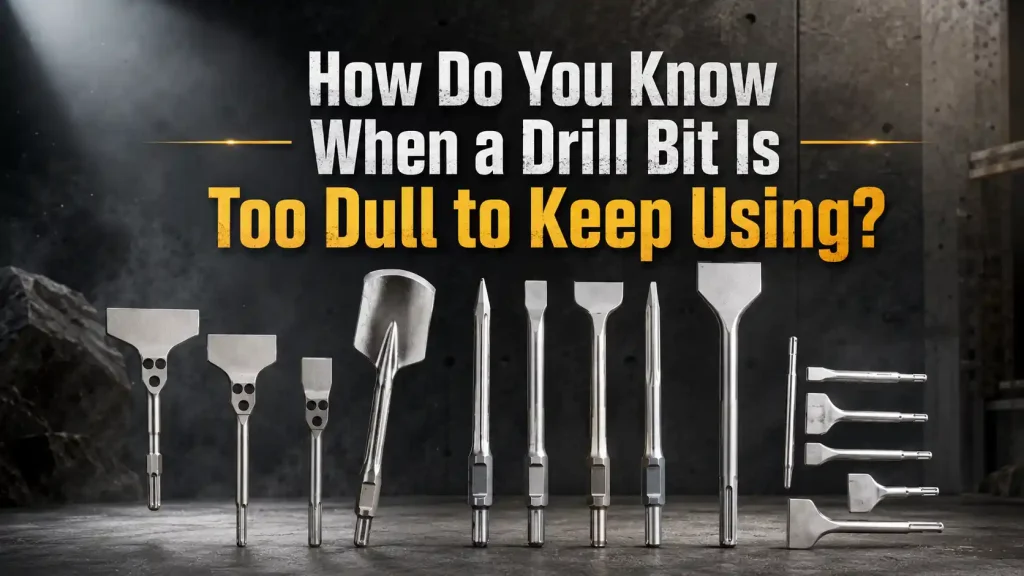
A dull hole does not always look dramatic at first. The drill still spins, dust or chips still appear, and the operator may keep adding pressure because the tool seems close to breaking through. Then the material burns, the hole wanders, the bit squeals, the battery drains quickly, or the cutting edge finally chips. Knowing when a Drill Bit is too dull to keep using is a practical maintenance decision. It protects the workpiece, the tool, and the person trying to make a clean hole.
Quick Answer
A Drill Bit is too dull to keep using when it needs unusual pressure, cuts slowly, produces heat instead of clean chips, squeals, walks away from the mark, leaves a rough or oversized hole, burns wood, polishes metal, chips masonry, or creates repeated tool strain. If sharpening does not restore clean cutting shape, or if the bit is bent, cracked, chipped, overheated, or worn unevenly, replacement is usually the safer and cleaner choice.
The practical check is simple: inspect the cutting edges, compare the hole quality with a known sharp bit, watch the chip shape, and pay attention to heat. A Drill Bit should cut with controlled pressure for the material and tool being used. If the operator has to force the drill to make progress, the bit is no longer doing its job.
Why a Dull Drill Bit Causes More Than Slow Drilling
A sharp cutting edge removes material cleanly. A dull edge rubs, scrapes, pushes, and heats the work. That difference changes everything downstream. The drill motor works harder. The chuck and shank see more stress. The workpiece receives more pressure. The hole becomes less accurate. In metal, heat can harden the surface or damage the bit. In wood, heat can burn the hole and split the edge. In masonry, a worn tip can chip the surface and make the hole larger than intended.
This is why a dull Drill Bit should not be treated as a minor annoyance. It can turn a simple pilot hole into a stripped screw, a loose anchor, a cracked tile, or a damaged bracket. The problem becomes more expensive than the bit itself.
Tool condition also affects safety. When a Drill Bit stops cutting, the operator often reacts by leaning harder. Extra force increases the chance of slipping, binding, breaking the bit, or twisting the drill suddenly. A sharp bit is not only faster; it is easier to control.
Watch the Feed Pressure
The first warning sign is pressure. A good Drill Bit should not require the operator to fight the tool. Some materials need more pressure than others, and larger diameters naturally take more effort, but the pressure should feel steady and controlled. If the bit used to cut well and now needs much more force, the cutting edges are likely worn.
Excess pressure can hide the real symptom. The hole may still progress, but the bit is no longer cutting efficiently. It is being pushed through. That creates heat, increases tool load, and often makes the hole less accurate. If the drill slows heavily or the operator has to lean into the work, stop and inspect the bit before continuing.
Pressure is especially important in metal and masonry. In metal, forcing a dull bit can heat the work and glaze the edge. In masonry, forcing a worn carbide tip can chip the surface and widen the hole. In wood, extra pressure can split thin stock or make the exit side ragged. The Drill Bit should match the material well enough that feed pressure stays reasonable.
Check the Chips, Dust, or Powder
The material coming out of the hole tells a useful story. In wood, a sharp bit usually produces chips or shavings that match the bit style. A dull bit may produce fine dust, smoke, or darkened debris. In metal, a sharp twist bit can create curled chips when speed, feed, and lubrication are suitable. A dull bit may produce powdery fragments, blue discoloration, or very little chip flow. In masonry, a worn bit may make excessive dust while progressing slowly.
Chip shape is not a perfect rule because material, speed, and bit style matter. Still, a sudden change is a good warning. If the same Drill Bit used to make clean chips and now makes heat, powder, or smoke, the edge has probably lost its bite.
| Material | Healthy cutting sign | Dull Drill Bit warning |
|---|---|---|
| Wood | Clean chips or shavings, limited heat | Fine dust, smoke, burning, rough entry |
| Soft metal | Curled chips with controlled pressure | Powder, squealing, heat, polished surface |
| Masonry | Steady dust removal with progress | Slow progress, chipped mouth, excessive force |
| Plastic | Smooth chips, controlled speed | Melting, smearing, oversized hole |
| Tile or brittle material | Careful cutting without edge cracking | Skating, chipping, pressure marks |
This table helps separate a dull edge from a wrong technique. If the bit is correct for the material and the tool settings are reasonable, poor chip formation usually points back to the cutting edge.
Listen for Squealing, Scraping, or Chatter
Sound is another clue. A sharp Drill Bit tends to make a steady cutting sound. A dull bit may squeal in metal, scrape in wood, chatter in masonry, or make the drill motor sound strained. The sound often appears before the hole visibly fails.
Do not solve squealing by adding only more pressure. In metal, the answer may be slower speed, cutting fluid where appropriate, and a sharp bit. In wood, the bit may need cleaning or replacement. In masonry, the tip may be worn, the hammer mode may be wrong for the material, or the bit may not match the anchor requirement.
Chatter can also come from poor clamping, a loose chuck, a bent shank, or a bit that is too long for the setup. Inspect those details as well. But if a bit chatters in a job where a fresh bit cuts smoothly, the worn Drill Bit is the likely cause.
Inspect the Cutting Edges
Visual inspection catches many problems. Look at the point, lips, flutes, spurs, carbide tip, or cutting face depending on the bit style. A twist bit should have clean lips and a centered point. A brad point bit should have a sharp center spur and cutting spurs. A masonry bit should have a sound carbide tip. An auger bit should have a usable screw point and cutting edge.
Watch for rounded lips, chipped corners, blue or dark heat marks, uneven wear, cracked carbide, bent shanks, damaged flutes, and built-up resin or metal. Cleaning may restore a bit that is packed with pitch or debris, but cleaning will not restore a missing cutting edge. A Drill Bit with broken or uneven cutting edges will not make a clean hole even if the diameter printed on the shank is correct.
Use magnification if the bit is small. Small twist bits can look acceptable until the edges are inspected closely. If the point is off-center or one lip is shorter than the other, the bit may drill oversized holes or wander.
Compare Hole Quality with a Known Sharp Bit
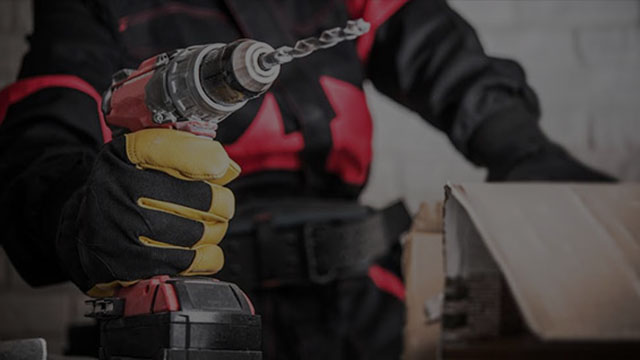
When the decision is uncertain, compare. Drill a test hole in scrap or a hidden area with the questionable bit, then drill another with a known sharp bit of the same size and style. Compare feed pressure, chip shape, heat, entry quality, exit quality, and hole diameter. The difference is usually obvious.
This test avoids guessing. A material may be harder than expected, the drill speed may be wrong, or the workpiece may be poorly supported. If both bits struggle, the problem may be technique or material. If the sharp Drill Bit cuts cleanly and the questionable one burns, squeals, or wanders, the worn bit should be sharpened or replaced.
Testing also protects finished work. It is better to learn that a bit is dull on scrap than on a cabinet face, metal bracket, tile surface, or visible anchor hole.
Decide Whether Sharpening Makes Sense
Some bits can be sharpened successfully. Many standard twist bits can be restored if enough material remains and the point angle, lip length, relief, and center position are corrected. Larger bits are often worth sharpening because replacement cost is higher and the edge shape is easier to see. Some wood bits can be touched up with the right file or stone if the operator understands the cutting shape.
Other bits are poor sharpening candidates. Very small bits are easy to ruin. Coated bits may lose coating at the edge. Carbide masonry bits with cracked or missing tips are usually better replaced. Bits with bent shanks, deep chips, severe heat damage, or uneven wear may not return to accurate cutting even after grinding.
| Bit condition | Sharpen or replace? | Practical reason |
|---|---|---|
| Slightly dull twist bit, straight shank | Sharpen if the point shape can be restored | The cutting lips can often be renewed |
| Small bit with uneven lips | Usually replace | Small errors cause walking and oversized holes |
| Chipped carbide masonry tip | Replace | Missing carbide will not drill accurately |
| Bent shank or damaged flute | Replace | The bit can wobble, bind, or break |
| Heat-blue edge with poor cutting | Replace or regrind carefully | Overheating may soften or distort the edge |
Sharpening is only useful if it returns a Drill Bit to clean, centered cutting. If sharpening creates an uneven point or uneven relief, the bit may cut worse than before.
Match Speed, Feed, and Material Before Blaming the Bit
A sharp bit can perform poorly if the technique is wrong. Too much speed can overheat metal. Too little support can splinter wood. Wrong hammer mode can damage masonry or tile. A clogged flute can trap chips and make the bit look dull. Poor alignment can make a good bit rub on one side of the hole.
Before discarding a Drill Bit, check the basics. Is the bit style correct for the material? Is the speed reasonable? Is the work clamped? Are chips being cleared from deep holes? Is the chuck tight? Is the drill held straight? Is cutting fluid needed for the metal operation? A general drill bit reference can help clarify common bit parts, but the final decision still comes from the material, tool setup, and actual hole quality. If these checks are wrong, a new bit may suffer the same problem.
That said, technique should not be used to excuse a worn edge. If the setup is correct and the bit still overheats, squeals, smokes, or requires force, the Drill Bit has reached the point where maintenance or replacement is necessary.
Watch for Heat Damage
Heat is one of the clearest signs that the bit is rubbing instead of cutting. A warm bit is normal in some jobs, but excessive heat is a warning. Blue discoloration on steel, scorched wood, melted plastic, smoke, and a burning smell all suggest the edge is no longer removing material efficiently or the cutting conditions are wrong.
Heat damage can feed on itself. Once the edge overheats, it may lose hardness or become more rounded. The next hole takes more pressure, which creates more heat. In metal, overheating can also harden the work surface, making drilling even harder. At that point, pushing harder with the same Drill Bit usually makes the problem worse.
Stop when heat rises unexpectedly. Let the work cool, clear chips, check speed and feed, and inspect the edge. Replace the bit if the cutting lips are rounded, discolored, chipped, or no longer symmetrical.
Recognize Wandering and Oversized Holes
A worn bit often has trouble starting on the mark. The point may skate across metal, drift in wood grain, or chip the edge of masonry. Wandering can also come from poor center punching, bad support, or the wrong bit style, but dull edges make the problem worse because they push instead of cut.
Oversized holes are another warning. If a Drill Bit is bent, worn unevenly, or sharpened off-center, it may cut larger than its marked diameter. That can ruin screw fit, anchor holding, dowel alignment, hinge placement, or bracket accuracy. The hole may look close enough until the fastener spins or the part shifts.
Use a center punch or pilot where appropriate, but do not rely on layout tricks to save a damaged bit. A Drill Bit that cannot start and stay centered should be repaired or replaced before it reaches finished work.

Consider the Cost of a Bad Hole
The right time to replace a bit depends partly on the value of the work. A slightly worn bit may be acceptable for rough scrap where appearance and exact size do not matter. It is a poor choice for finished cabinetry, accurate metal holes, wall anchors, tile, hinge locations, or repeated production work.
The cost of a damaged hole can exceed the cost of a new bit. A split board, loose anchor, broken screw, damaged tile, or misaligned bracket takes time to repair. In repeated work, a dull Drill Bit can also slow every hole and strain the drill. Replacement becomes the economical choice long before the bit is completely unusable.
For professional or batch work, keep sharp bits reserved for visible or critical holes and move older bits to rougher tasks only if they still cut safely. Labeling or separating worn bits prevents them from returning to precision work by accident.
Use a Field Checklist
Use a quick checklist before continuing with a questionable bit.
- Does the Drill Bit need more pressure than it used to need?
- Does it make clean chips instead of dust, smoke, or powder?
- Does the bit stay on the mark without skating or wandering?
- Does the hole match the expected diameter and finish?
- Are the cutting edges symmetrical and free from chips?
- Is there blue discoloration, burning, melting, or excessive heat?
- Is the shank straight and held tightly in the chuck?
- Does a known sharp bit perform better in the same material?
- Can sharpening restore the correct point shape?
- Is the work important enough that a bad hole would cost more than replacement?
If several answers point in the wrong direction, continuing with the same bit is usually a false economy. The Drill Bit should be sharpened correctly or replaced before the workpiece carries the cost.
Store and Clean Bits So They Stay Sharp Longer
Many bits become dull faster because they are stored loose in a box where cutting edges hit each other. Moisture can cause rust. Resin, dust, and metal chips can pack into flutes. A bit used for the wrong material can lose its edge quickly. Good storage and cleaning extend useful life.
Wipe bits after use. Remove resin from wood bits. Keep metal bits dry and lightly protected where appropriate. Store sizes in a case or rack so edges do not collide. Do not use a Drill Bit as a punch, pry tool, scraper, or alignment pin. Those habits damage edges and shanks before the bit has worn out from drilling.
Cleaning does not replace sharpening, but it can restore performance when the edge is blocked by pitch or debris. If cleaning improves chip flow and reduces heat, the bit may still be usable. If the edge remains rounded or chipped, cleaning alone is not enough.
Where Bestwin Products Fit Naturally
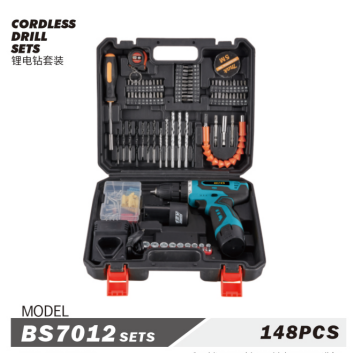
For drilling work, the useful tool choice begins with material, hole size, and finish requirement. Wood, metal, masonry, plastic, and tile all punish dull or mismatched cutting edges differently. Keeping a suitable set on hand makes it easier to replace a worn bit before the hole quality suffers.
Bestwin supplies drill bits, hammer bits, chisels, and drilling tool sets for workshop, installation, and repair tasks. A Drill Bit should be selected and maintained as a cutting tool, not treated as a permanent accessory that is expected to work the same after every job.
Final Takeaway
A Drill Bit is too dull to keep using when it stops cutting cleanly. The signs are pressure, heat, squealing, poor chips, wandering, rough holes, burning, polishing, chipping, or tool strain. Sharpening can help when the bit is straight and the cutting shape can be restored. Replacement is better when the edge is chipped, bent, overheated, badly worn, or no longer accurate.
Before drilling finished work, inspect the edge and test the bit when there is any doubt. A sharp Drill Bit saves time, protects the material, reduces tool strain, and keeps the hole from becoming the most expensive part of the job.










 English
  العربية
  Français
  Português
  Português do Brasil
  Italiano
  简体中文
简体中文  繁體中文
繁體中文  日本語
日本語  한국어
한국어  Deutsch
  Español
  Slovenčina
  ไทย
ไทย  Türkçe