
Retail signage installation can involve far more materials than the finished sign suggests. A single rollout may require holes in aluminum sign boxes, painted-steel frames, composite panels, timber backing, brick facades, concrete walls, tile, and internal partitions.
These materials cannot always be covered by one Drill Bit family. A diameter that works for an aluminum bracket does not automatically suit a concrete anchor hole, even when both holes are nominally 6 mm. Cutting geometry, shank type, working length, drilling mode, surface finish, and expected service life all change with the substrate.
The project may also involve hundreds of stores, several installation crews, different power tools, and repeated replacement of a small group of high-use sizes. For this reason, evaluating Drill Bit suppliers and manufacturers is not simply a matter of comparing case size or unit price. The selected range must match the actual signage materials, fixing schedule, tools, access conditions, packaging flow, and replenishment demand.
Bestwin manufactures drilling tools and tool-set products for distributors, importers, OEM brands, signage contractors, and project supply companies. By reviewing the substrate mix, repeated hole sizes, tool platforms, and rollout requirements, the manufacturer can narrow the Drill Bit families and set configurations before samples and packaging are confirmed.
Different Signage Projects Need Different Drill Bit Families
Retail signage projects vary considerably between indoor stores, exterior facades, shopping centers, transport locations, and temporary promotional installations.
The material mix determines which Drill Bit families should be included in the initial kit and which specialist products can remain in a central project inventory.
Interior Signs Use More Metal, Panels, and Timber
Interior signage often involves aluminum profiles, light-gauge steel brackets, composite panels, plywood backing, gypsum partitions, and decorative surfaces.
The drilling requirement is usually focused on clean entry, controlled hole size, limited burrs, and minimal damage around visible surfaces. Compact tools and clearly arranged kits are also valuable because installation crews may work inside occupied retail areas with limited space.
A typical interior project may need:
- Twist Drill Bit sizes for aluminum and mild steel
- Wood-cutting products for plywood or timber backing
- Suitable geometry for plastic and composite panels
- Pilot sizes for screws and small fasteners
- Individual replacements for frequently used metal sizes
The exact combination depends on the sign structure and the approved fixing method. A lightweight wall sign and a suspended illuminated sign may both be installed indoors, but their brackets, substrates, and required hole depths can be very different.
Exterior Signs Add Masonry and Deeper Fixings
Exterior signage introduces heavier brackets, larger anchors, brick, concrete, weather-exposed steelwork, and greater variation in wall construction.
A storefront sign may be fixed directly to brick. A pole-mounted sign may require holes in steel brackets. A large illuminated sign box may combine aluminum, steel, and masonry work in one installation.
These projects often need stronger masonry coverage, longer working lengths, and more frequent replacement of common anchor sizes. Where a rotary hammer is used, the Drill Bit shank must also match the installed tool platform.
The exterior kit may therefore include:
- Metal-cutting sizes for brackets and support frames
- Masonry products for brick and concrete
- Longer Drill Bit options for recessed or deep fixings
- Dedicated products for tile or brittle facade materials
- Refill packs for high-consumption anchor diameters
Mixed Rollouts Need Clear Separation
Large retail programs may combine shopping-mall interiors, high-street stores, freestanding signs, and regional facade types.
Putting every product into one undivided case can make site work slower. Installers may choose the correct diameter but the wrong Drill Bit family, especially when metal, masonry, and panel products look similar at a glance.
Separate case positions, family labels, size markings, or color-coded packaging can help crews identify the intended product quickly. This becomes more important when subcontractors or temporary installation teams are involved.
Each Drill Bit Must Match the Actual Substrate
Diameter is only one part of the Drill Bit specification. The workpiece material determines how the cutting edge must enter, remove material, and leave the finished hole.
Table 1. Signage Substrates and Drill Bit Direction
| Signage substrate | Natural Drill Bit direction | Main installation concern |
|---|---|---|
| Aluminum rail or sign box | Metal-cutting twist family | Clean hole, controlled burr, thin-wall stability |
| Mild-steel bracket or frame | Metal-cutting family matched to steel | Cutting speed, heat, wear, and hole finish |
| Timber or plywood backing | Wood-cutting family | Clean entry, chip removal, and depth |
| Brick or concrete facade | Masonry or rotary-hammer family | Anchor diameter, shank, and useful length |
| Tile or brittle cladding | Dedicated brittle-material product | Surface chipping and impact restriction |
| Plastic or composite panel | Geometry confirmed on the panel | Skin damage, melting, breakout, and support |
Aluminum Needs Clean and Controlled Holes
Aluminum sign boxes and extruded rails are common in illuminated signage. The material is relatively easy to drill, but thin walls and finished surfaces can expose poor hole quality.
An unsuitable Drill Bit may wander at entry, leave excessive burrs, or distort the edge of a thin profile. These defects can affect bracket alignment, cable-entry fittings, fastener seating, and the appearance of visible surfaces.
The wall thickness, alloy, hole diameter, required finish, and number of repeated holes should all influence the product choice.
Steel Brackets Increase Heat and Wear
Steel frames, support brackets, and mounting plates place more demand on the cutting edge than aluminum.
Material thickness, steel grade, machine speed, and repeated hole quantity affect wear and drilling consistency. A product that performs acceptably for a few holes may not remain efficient across a large store rollout with hundreds of repeated bracket holes.
For these applications, sample evaluation should include the actual or representative steel thickness rather than only a thin, easy-to-cut sheet.
Masonry Requires the Correct Working Mode
Brick and concrete installation should be treated separately from metal and panel drilling.
The approved anchor determines the required diameter and depth, while the tool determines the shank and working mode. A masonry product intended for a standard drill is not interchangeable with an SDS-type product designed for a rotary hammer.
Dense concrete can also behave differently from soft brick or lightweight block. Where installation schedules depend heavily on facade anchors, the Drill Bit family should be sampled on a representative masonry material.

Brittle Surfaces Need Controlled Entry
Tile, stone-like cladding, and brittle decorative panels can suffer visible surface damage if the wrong product or working mode is used.
Sample approval for brittle materials should therefore define a dedicated product family, a compatible drilling mode, and an adequate backing condition. These requirements reduce the risk of visible chipping and breakout.
Because damage is immediately visible on finished retail surfaces, brittle materials deserve early attention during sample confirmation, even when the number of holes is relatively small.
Fixings Determine Diameter and Working Length
The sign design and fixing schedule provide a clearer basis for Drill Bit selection than a generic list of popular sizes.
Each bracket, anchor, screw, cable gland, or standoff creates a specific hole requirement.
Repeated Fixings Define the Core Sizes
Most signage programs repeatedly use a limited group of hole diameters.
These may include:
- Pilot holes for screws
- Bracket holes in aluminum or steel
- Anchor holes in brick or concrete
- Cable-entry holes
- Standoff mounting holes
- Panel fixing holes
Sizes used at nearly every location should receive more space in the initial kit and a clear individual refill route.
Specialist diameters used at only a few sites do not need the same stock depth. They can be held centrally or ordered for defined installations.
This avoids filling every crew case with products that may never be used while common sizes wear out early.
Hole Depth Changes the Required Length
A correct diameter is still unusable if the Drill Bit cannot reach the required depth.
Deep anchors, recessed fixing points, standoff brackets, guards, sign-box frames, and layered wall construction can all restrict access.
The required product length should consider:
- Anchor embedment depth
- Bracket thickness
- Material layers
- Chuck clearance
- Recessed access
- Obstructions between the tool and surface
An unnecessarily long product can also be less convenient for normal work. Standard lengths should cover frequent holes, while longer options should be reserved for known access conditions.
Fixings and Drill Bits Must Be Confirmed Together
The approved fixing system defines more than nominal diameter.
Anchor type, screw clearance, hole tolerance, embedment depth, and substrate condition all influence the result. The Drill Bit selection should therefore remain connected to the bracket drawing or fixing specification rather than being treated as a separate consumable decision.
The Shank Must Match the Installed Tools
A Drill Bit can match the substrate and diameter but still be unusable if its shank does not fit the crew’s tools.
Retail signage teams may use cordless drill/drivers, impact-capable drills, standard chucks, quick-change holders, or rotary hammers.
Straight Shanks Suit Standard Drill Chucks
Straight-shank products are widely used for metal, wood, plastic, and general panel work with standard drill chucks.
They can provide broad compatibility, but the chuck capacity and actual machine type still need to be known. Larger diameters may not fit smaller cordless tools.
Hex Shanks Support Quick Tool Changes
Hex-shank products can be useful where installers frequently switch between drilling and fastening.
They fit compatible quick-change holders and can simplify tool changes on repetitive installation work. However, the shank format does not make every product suitable for impact use. The intended material and operating mode still matter.
SDS-Type Shanks Serve Rotary Hammers
Brick and concrete anchor work may require SDS-type products when rotary hammers are part of the approved tool fleet.
The correct SDS interface, Drill Bit diameter, working length, and cutter design must match the actual anchor and substrate. A masonry product with the wrong shank cannot be corrected at the job site by selecting the right nominal diameter.
Mixed Tool Fleets Need Clear Labels
When several tool platforms remain in use, product identification becomes more important.
Packaging and refill labels should show the Drill Bit family, diameter, shank, working length, and intended material clearly. This reduces incorrect reorders and prevents project stores from sending incompatible products to installation crews.
Kit Scope Depends on Site Variation
The largest case is not automatically the most useful case.
Kit size should follow the number of materials, hole sizes, tool interfaces, and installation conditions carried by each crew.
Compact Sets Suit Standardized Interior Work
A compact Drill Bit set can work well for a standardized interior rollout where stores share similar sign designs, wall systems, and fixing methods.
The case can concentrate on the repeated metal, wood, and panel sizes used by the project instead of including a wide range of specialist products.
This reduces carrying weight and makes missing items easier to identify.
Balanced Sets Cover Mixed Installation Tasks
A balanced field set may suit crews handling both interior and exterior signage.
It can include separate metal, wood, panel, and defined masonry coverage without attempting to include every possible diameter.
The case layout should keep the families distinct and provide clear positions for the products used most often.
Broad Sets Suit Distributors and Variable Sites
Distributors, project supply companies, and crews working across highly variable sites may need a broader assortment.
In this case, actual drilling coverage matters more than the total piece count. A large set may include screwdriver bits, sockets, accessories, or duplicated consumables that do not expand the useful Drill Bit range.
The product list should be reviewed by:
- Material family
- Diameter
- Working length
- Shank type
- Quantity of repeated sizes
- Availability of individual refills
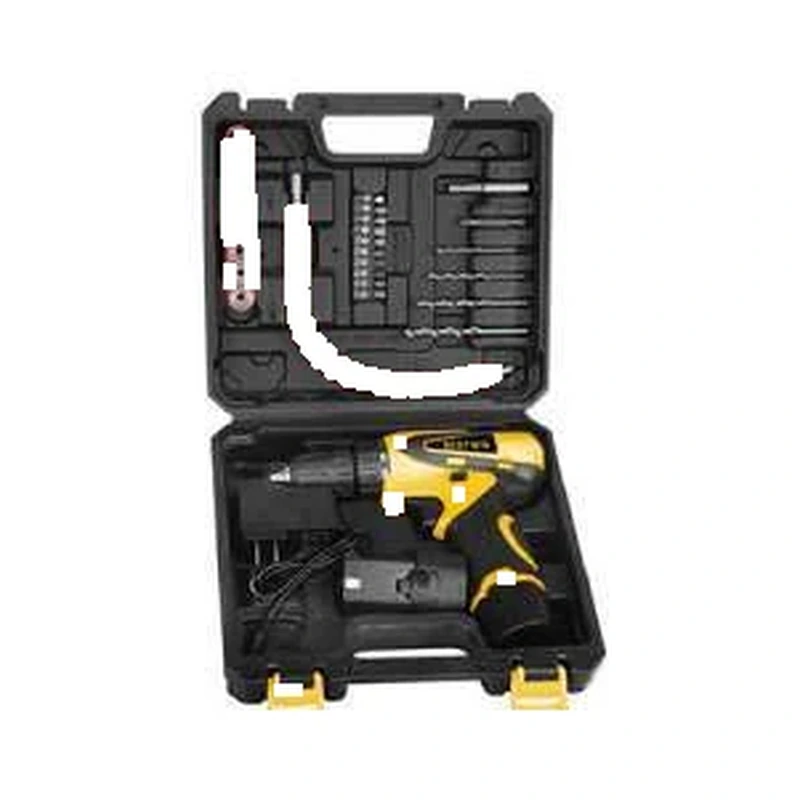
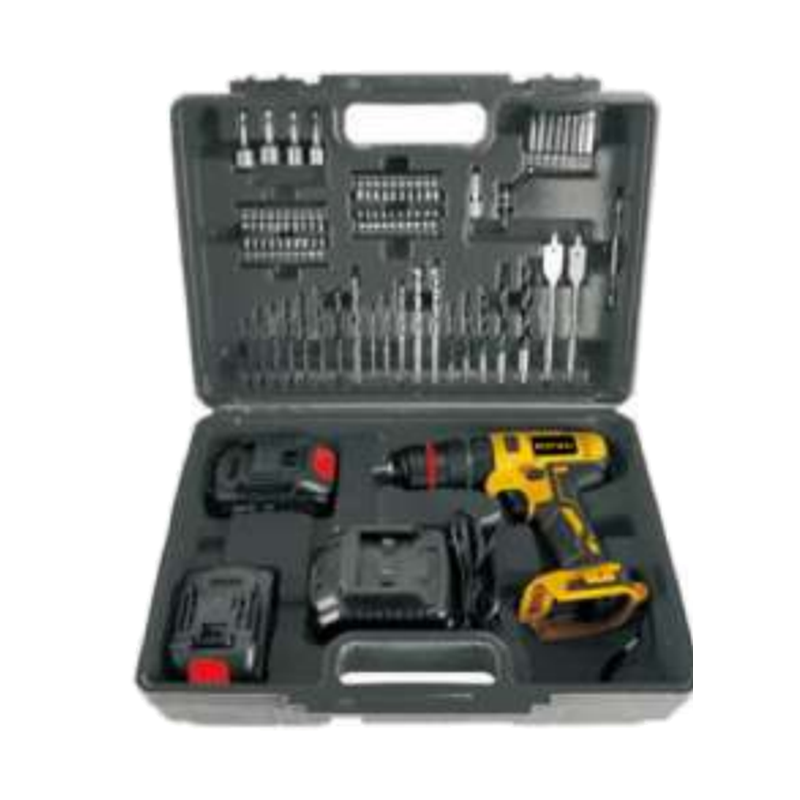
A Drill Bit manufacturer can provide 26-piece and 75-piece cordless drill set directions for different levels of coverage, while 3-cutter or 4-cutter electric-hammer products can support defined masonry applications. The exact combination should follow the project materials and installed tools.
High-Use Sizes Need Individual Refills
Retail signage programs rarely consume every Drill Bit at the same rate.
Concrete anchor sizes, common bracket holes, and frequently used pilot diameters may need replacement long before specialist products show visible wear.
Anchor Sizes Often Wear Out First
Exterior facade work can consume masonry products quickly, particularly where a project includes dense concrete, repeated anchor holes, or several locations per crew.
If the project uses one diameter for most anchors, that product should be available separately rather than only inside a complete set.
Complete Kits Should Not Be Replaced for One Worn Product
Replacing an entire case because one Drill Bit is worn increases cost and leaves unused products in storage.
Individual refill packs allow distributors and project stores to restore the kit without duplicating low-consumption sizes.
The refill code should remain connected to the original:
- Material family
- Diameter
- Working length
- Overall length
- Shank
- Product version
- Position in the kit
Packaging Must Support Site Distribution
Drill Bit packaging is not only a retail presentation issue.
Products may move between a central warehouse, regional branch, subcontractor, and installation crew. Cutting edges need protection, while labels need enough information to reach the correct project and tool platform.
OEM programs may also require barcodes, customer artwork, language versions, and separate labels for individual refills.
These details should be settled before the rollout becomes dependent on emergency replacements.
Samples Must Cover the Real Project Materials
A sample that performs well in one easy material does not confirm the full signage program.
An aluminum test does not show concrete performance. Soft brick does not represent dense concrete. A simple flat panel does not reproduce a recessed fixing point.
High-Use Sizes Should Lead Sample Evaluation
Repeated sizes have the greatest effect on installation time and replacement cost.
Samples should first confirm the products used for common bracket holes, facade anchors, pilot holes, and panel fixings.
This gives the project useful information without testing every diameter in the proposed set.
Rework-Prone Materials Deserve Early Confirmation
High-risk materials deserve early confirmation because failure can create visible damage or installation delays.
These may include:
- Painted or finished metal
- Thin aluminum profiles
- Tile or brittle cladding
- Dense concrete
- Composite panels with layered skins
- Restricted or recessed fixing positions
The sample group should represent both high-volume work and the conditions with the greatest damage or schedule consequence.
Shank and Length Remain Part of Sample Approval
Cutting performance is only one part of the sample result.
The product should also fit the actual chuck or holder, reach the required depth, clear surrounding structures, and remain practical for installers to use.
This prevents an acceptable cutting result from being approved with an unsuitable shank or working length.
Approved Product Identity Supports Repeat Supply
Once the sample is confirmed, the product code should remain connected to its material family, dimensions, shank, coating or finish, packaging, and customer version.
For private-label programs, the artwork and use description should match the actual approved product.
As a drilling tool supplier, Bestwin supplies representative samples based on the customer’s substrate schedule, tool platforms, repeated sizes, and package requirements. The same confirmed product identity can then move into the first production batch.
Batch Supply Must Follow the Rollout
A signage program may begin with a small number of pilot stores and then expand into scheduled regional or national installation batches.
The Drill Bit supply plan should follow this progression.
Pilot Sites Reveal Real Consumption
Initial locations help show which products wear faster, which sizes are rarely used, and whether the case layout works for installers.
This information can refine the balance between complete kits and individual refill packs before the main rollout volume is released.
Production Lots Should Match Site Timing
Supplying the entire annual quantity at once can create unnecessary inventory, especially when site schedules or sign designs may change.
Scheduled production lots can follow the rollout more closely while maintaining availability of the high-use items.
Forecast quantity, first-batch demand, regional delivery needs, and refill consumption give the manufacturer a clearer basis for production planning.
Repeat Products Must Match the Approved Version
Changes to material, geometry, carbide construction, heat treatment, coating, dimensions, shank, or packaging can affect how the product performs or fits the project.
Repeat batches should remain connected to the approved sample and customer code. Relevant changes need to be reviewed before they enter the rollout.
This consistency is particularly important for OEM brands and distributors that may reorder the same Drill Bit assortment over several years.
Build the Drill Bit Assortment Around the Signage Project
A reliable Drill Bit program begins with the materials, fixings, hole sizes, tool interfaces, and access conditions installers will encounter across the rollout. Metal, timber, panels, masonry, and brittle surfaces may require different product families, while frequently used diameters need a practical refill route after the initial kits are issued.
The factory can match Drill Bit families and set configurations to your signage schedule, prepare representative samples, and maintain the confirmed sizes, shanks, packaging, and product codes in repeat orders. Whether you are sourcing compact kits for standardized store installations or a broader assortment for mixed interior and exterior projects, contact the team with your substrate list, fixing requirements, tool platforms, and expected quantities to discuss a suitable supply plan.





 English
  العربية
  Français
  Português
  Português do Brasil
  Italiano
  简体中文
简体中文  繁體中文
繁體中文  日本語
日本語  한국어
한국어  Deutsch
  Español
  Slovenčina
  ไทย
ไทย  Türkçe