
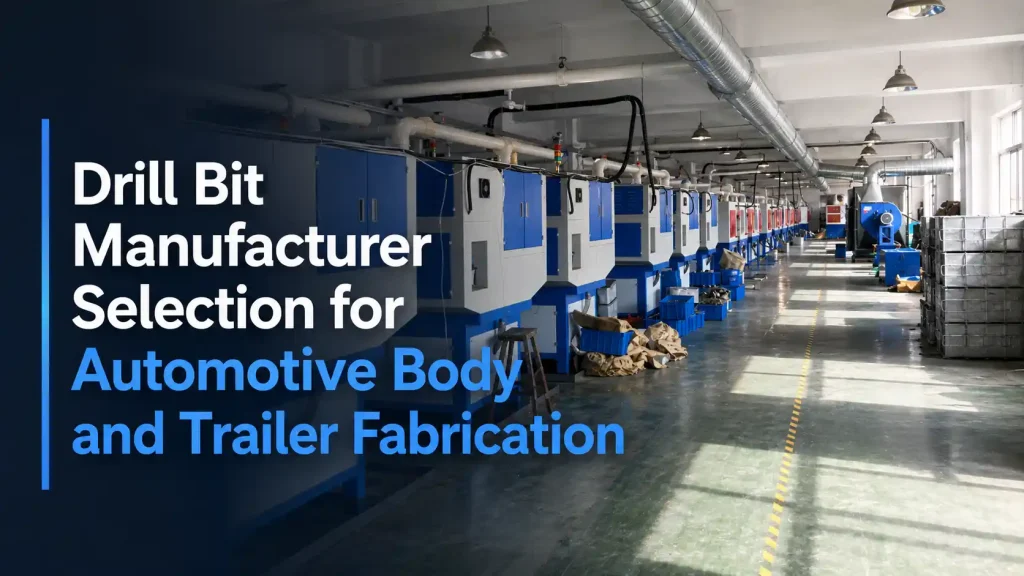
Automotive body and trailer fabrication can place very different drilling loads on tools that appear similar in a purchase list. Thin exterior sheet can grab as the point breaks through, galvanized brackets can mark around the entry, high-strength reinforcements can generate heat, aluminum panels can load the cutting edge, and larger cable or lighting openings may require a pilot-and-hole-saw arrangement. For vehicle-body factories, trailer manufacturers, component suppliers, distributors, and OEM tool programs, a useful drill-bit specification must follow the material, thickness, hole function, machine, and production volume.
Resposta Rápida
Como um drill bit manufacturer for automotive body and trailer fabrication, we match bit material, geometry, diameter, working length, shank, coating, and packaging to the actual parts: body sheet, chassis brackets, crossmembers, aluminum panels, electrical enclosures, lighting mounts, floor sections, and service openings. We separate factory production from portable installation or repair work, validate samples on representative materials, and assign stable product and refill codes for repeat orders.
Bestwin manufactures and supplies drilling tools, hole saws, arbors, accessories, and tool sets for equipment manufacturers, component factories, distributors, importers, and OEM customers. In our application review, we assess drawings, material grades, coatings, thicknesses, machine interfaces, hole quantities, sample needs, packaging, and batch requirements. The resulting product specification matches the declared application and order conditions.
Body Panels, Structural Brackets, and Service Openings Need Different Tool Groups
Vehicle and trailer drilling occurs at several stages. A body-panel line may make small holes for rivets, clips, sensors, trim, wiring retainers, and fittings. A frame or subassembly station may drill thicker carbon-steel brackets, crossmembers, hinge plates, support rails, or coupling components. Aluminum side panels and stainless accessory parts introduce different chip and heat behavior. Larger openings for lamps, cables, hydraulic lines, ventilation, or access may require a pilot tool, step direction, or hole-saw system.
In our drill bit manufacturer review, we divide the program by part and hole function. Small production holes need repeatable diameter and controlled breakthrough. Structural brackets need a tool material and geometry matched to the grade and thickness. Large sheet-metal openings need an arrangement that limits grabbing and distortion. Portable service kits need clear identification, useful working lengths, and separate refills for the sizes that wear fastest.
A nominal diameter does not make these products interchangeable. A 6 mm tool used in thin painted body sheet faces a different load from a 6 mm tool drilling a thick mounting bracket. A pilot bit for a hole saw has a different role from the final cutting tool. Our drill bit manufacturer product map keeps these items connected to their approved workpiece and machine.
Table 1. Automotive and Trailer Drilling Tasks and Product Direction
| Part or task | Material condition | Product direction | Information we need for matching |
|---|---|---|---|
| Body or cab panel | Thin coated or galvanized steel | Sharp metal-cutting direction with controlled breakthrough | Grade, coating, thickness, diameter, support |
| Chassis bracket or crossmember | Thicker carbon or high-strength steel | HSS, cobalt-bearing, or another matched metal family | Grade, hardness condition, thickness, machine, hole count |
| Aluminum side or equipment panel | Aluminum alloy or extrusion | Sharp geometry with practical chip clearance | Alloy, temper, thickness, finish requirement |
| Stainless accessory or enclosure | Stainless sheet or bracket | Heat-resistant metal-cutting direction | Grade, thickness, machine, cooling policy, volume |
| Lamp, cable, or hose opening | Thin sheet with larger finished diameter | Pilot, step, or hole-saw arrangement | Finished size, panel support, edge requirement, access |
| OEM or service tool kit | Approved mix of production and field tasks | Separated and labeled tool modules | Vehicle platform, machines, common sizes, refill frequency |
We use this map to complete the drill bit manufacturer match before fixing sample codes. When a vehicle platform changes a material, thickness, coating, or fitting, we can review the affected tool code without replacing the complete assortment by assumption.
Sheet Grade, Thickness, and Coating Determine the Cutting Direction
Automotive and trailer bodies can combine mild steel, galvanized sheet, painted steel, high-strength reinforcements, stainless components, and aluminum panels. The same tool material and point geometry do not perform identically across these conditions. Thin sheet offers little support at breakthrough, while a thicker or stronger part produces more cutting load and heat.
Como fabricante de brocas, precisamos da especificação do grau do material ou do fornecedor, espessura, revestimento, condição de tratamento térmico, quando relevante, diâmetro do furo, máquina e quantidade esperada de furos. Se o desenho listar apenas "aço", o plano de amostragem pode não representar a peça de produção. Um pedaço de sucata retido ou um componente de amostra aprovado geralmente fornece uma base melhor para a correspondência.
Coatings affect both cutting and appearance. A galvanized or painted surface can show entry marks, edge lifting, or burrs that remain visible after assembly. Our drill bit manufacturer review therefore includes which face is visible, what fastener or fitting covers the hole, and whether the finished edge affects sealing, grounding, corrosion protection, or appearance.
A direção de corte também deve seguir o processo do cliente. Um gabarito rígido e uma furadeira de bancada podem suportar uma geometria diferente de uma furadeira sem fio manual em um trailer montado. Combinamos o produto com a máquina pretendida e a condição de suporte, em vez de tratar o nome do material como a especificação completa.
Thin Body Sheet Needs Controlled Starting and Breakthrough
Thin sheet can flex under point pressure and grab when the final ring of material breaks away. If the bit is dull, too aggressive for the setup, poorly supported, or used with excessive feed, the hole can become torn or oversized. A raised exit edge can interfere with a rivet, clip, grommet, lamp, cable gland, or sealing washer.
In our drill bit manufacturer application review, we connect point design, cutting-edge condition, diameter, support, and machine to the finished hole. A stable start reduces wandering around a marked location. Controlled breakthrough reduces the sudden load that can distort a visible panel or pull a portable drill into the workpiece.
The customer can provide the nominal diameter, acceptable fitting range, entry and exit surface, burr or rework limit, and part support. We use those conditions in the drill bit manufacturer sample plan. A vague request for a clean hole is less useful than the actual rivet, clip, grommet, or fastener that must fit.
High-volume body work also needs a replacement rule. The first hole can look acceptable even when edge wear develops quickly. We plan sample quantities around the intended production volume so the approved drill bit manufacturer code reflects a practical batch condition rather than only one demonstration cut.
Structural Brackets and Crossmembers Create More Heat and Cutting Load
Chassis brackets, support rails, coupling plates, hinge mounts, and crossmembers are thicker and more rigid than body sheet. They may also use stronger grades or local reinforcement near bends and welds. These parts require a product direction that can carry the cutting load without losing the correct diameter or edge condition too quickly.
As the drill bit manufacturer, we need the steel grade, thickness, hole diameter, machine rigidity, available speed control, feed method, cooling or lubricant policy, and expected hole count. A guided production station can use a different length and shank arrangement from a portable tool used during final assembly or field service.
Heat can increase when the cutting edge rubs instead of cutting, when chips do not clear, or when the selected material is not suited to the workpiece. Our drill bit manufacturer match accounts for these conditions only to the extent that they change the product and purchasing decision. The factory remains responsible for the approved machine settings and production process.
We plan sample parts around a demanding approved condition. If several thicknesses share one tool code, we validate a greater-thickness or higher-strength approved condition and confirm that the geometry still produces acceptable holes in the thinner parts. This keeps the drill bit manufacturer sample record tied to the complete part range.
Aluminum Panels Need Sharp Cutting and Practical Chip Clearance
Aluminum side panels, body sections, equipment boxes, roof components, and extrusions are lighter than steel but can load a cutting edge or form long chips. Softer alloys may adhere to the tool, while thin profiles can distort or vibrate near breakthrough. The hole may be technically open but still fail a fitting or appearance requirement.
For our drill bit manufacturer match, we need the alloy or representative sample, temper where known, wall thickness, hole diameter, machine, expected volume, and finished-surface requirement. A painted, anodized, or visible panel may need a different acceptance reference from a concealed structural part.
We may match one drill bit manufacturer product family for high-volume factory holes and another for portable modification or service work. These are separate commercial products even when the nominal cutting material is similar. Different shanks, working lengths, packaging, and refill quantities help keep the correct tool at each station.
The sample record notes the part, material, machine, product code, and hole attribute that matters to assembly. This gives the customer and our production team a stable reference for later orders without turning the article into a machining procedure.
Stainless Accessories Need a Heat-Resistant Product Match
Stainless brackets, boxes, trim components, tanks, guards, or accessory mounts can expose a weak drill assortment quickly. Stainless work generates heat, and a dull edge that rubs can harden the immediate cutting zone and shorten useful tool life. A general mild-steel product may not be the correct refill direction.
Como fabricante de brocas, solicitamos o grau do aço inoxidável, espessura, diâmetro do furo, máquina, volume de produção e a política de resfriamento ou lubrificação aprovada pelo cliente. Podemos então selecionar uma família de metal duro resistente ao calor e a geometria adequada de nossa linha suportada.
Stainless-specific tools should remain clearly separated from general body-sheet tools in an OEM or factory kit. The packaging map can use dedicated case positions, labels, size markings, or agreed color identification. Our drill bit manufacturer packaging plan reduces accidental cross-use while preserving individual refill codes.
The sample must use the grade and thickness that drive the order. A result on thin mild steel does not validate a tool for stainless accessory production. We set the sample quantity long enough to judge whether the selected product remains commercially useful for the intended batch.
Rivet, Bolt, Clip, and Fitting Holes Need Different Acceptance Limits
Hole function changes the purchasing requirement. A rivet hole needs a usable fit and repeat diameter. A bolt-clearance hole may permit a broader range but still needs alignment with the assembly. A clip or sensor opening can depend on anti-rotation features, seating surfaces, or an exact grommet fit. A visible lamp or trim opening may have a stricter appearance limit.
In our drill bit manufacturer review, we ask which component enters the hole and what surface surrounds it. The customer can supply the fastener, fitting, or component drawing along with the part. We then connect the drill geometry and diameter to the real assembly rather than a generic tolerance statement.
Entry and exit conditions may not have equal importance. A small burr hidden under a wide washer may be manageable, while the same burr under a seal, sensor flange, or cable gland can cause a seating problem. The drill bit manufacturer sample record therefore identifies the visible face and the accepted rework, if any.
Table 2. Hole Function and Sample Acceptance Direction
| Função de furo | Main acceptance feature | Sample and purchasing direction |
|---|---|---|
| Rivet or clip hole | Fit, repeat diameter, limited tearing | Dedicated common sizes with production refill quantities |
| Bolt-clearance hole | Usable clearance and position | Product code tied to bracket grade and thickness |
| Cable or hose opening | Edge condition and protection of the installed line | Pilot and final-cutting system with protected refill packaging |
| Lamp or sensor opening | Seating surface, visible finish, component fit | Sample reviewed with the actual fitting or retained reference |
| Service access opening | Finished diameter and portable-tool compatibility | Clearly labeled field kit with individual replacement codes |
Larger Openings Need a Matched Pilot, Hole Saw, and Arbor System
Cable entries, lamp mounts, hydraulic-line passages, ventilation points, inspection openings, and access holes can exceed the practical diameter of a conventional twist drill for thin vehicle sheet. A direct jump to a large diameter can increase grabbing and distortion. Depending on the material, diameter, support, machine, and finish requirement, we may match a pilot-and-hole-saw system or another suitable product family.
The pilot tool establishes the center and supports the start of the larger cutting system. The hole saw material and tooth form must follow the sheet or panel material. The arbor must fit the selected cup, pilot, and machine interface. Our drill bit manufacturer review treats these parts as one functional set rather than independent line items.
For repeat factory work, quick-change arbor arrangements can reduce changeover time when several approved diameters share the station. The purchase specification still needs the arbor code, shank, compatible hole-saw range, pilot code, finished diameters, and replacement quantities. A correct cup paired with the wrong arbor or pilot remains unusable.
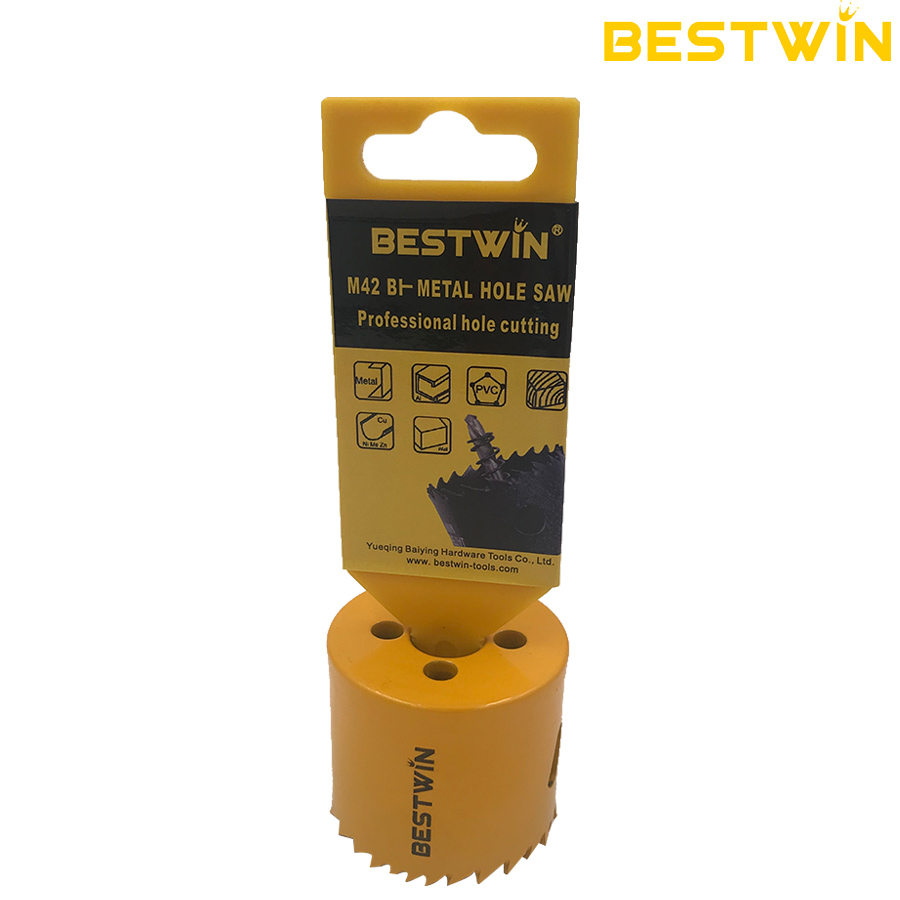
Como fornecedor de brocas automotivas, oferecemos brocas para corte de metal, serras copo, mandris e acessórios para aplicações aprovadas em carrocerias de veículos e reboques. Combinamos a amostra com a chapa, abertura, máquina, ajuste e requisitos de lote declarados pelo cliente.
Curved Panels, Box Sections, and Assembled Frames Change Access and Length
Vehicle bodies and trailers contain flanges, formed channels, box sections, corners, ribs, and already-installed components that limit tool access. A longer tool is not automatically better. Extra length can reduce control in a portable setup, while an insufficient working length may prevent the cutting edge or hole saw from clearing the complete stack.
For our drill bit manufacturer match, a drawing or jobsite photograph can show the available approach angle, chuck clearance, sheet stack, and nearby components. We use this information to distinguish a real length requirement from a general request for longer bits.
Stacked parts also matter. A hole may pass through an outer panel, reinforcement, spacer, and inner section rather than one uniform sheet. The drill bit manufacturer sample should reproduce that stack when it changes chip clearance, working length, or edge behavior.
Packaging must distinguish standard and long versions that share a diameter. Stable product codes and case positions prevent a long field-service tool from replacing a shorter production tool by visual similarity.
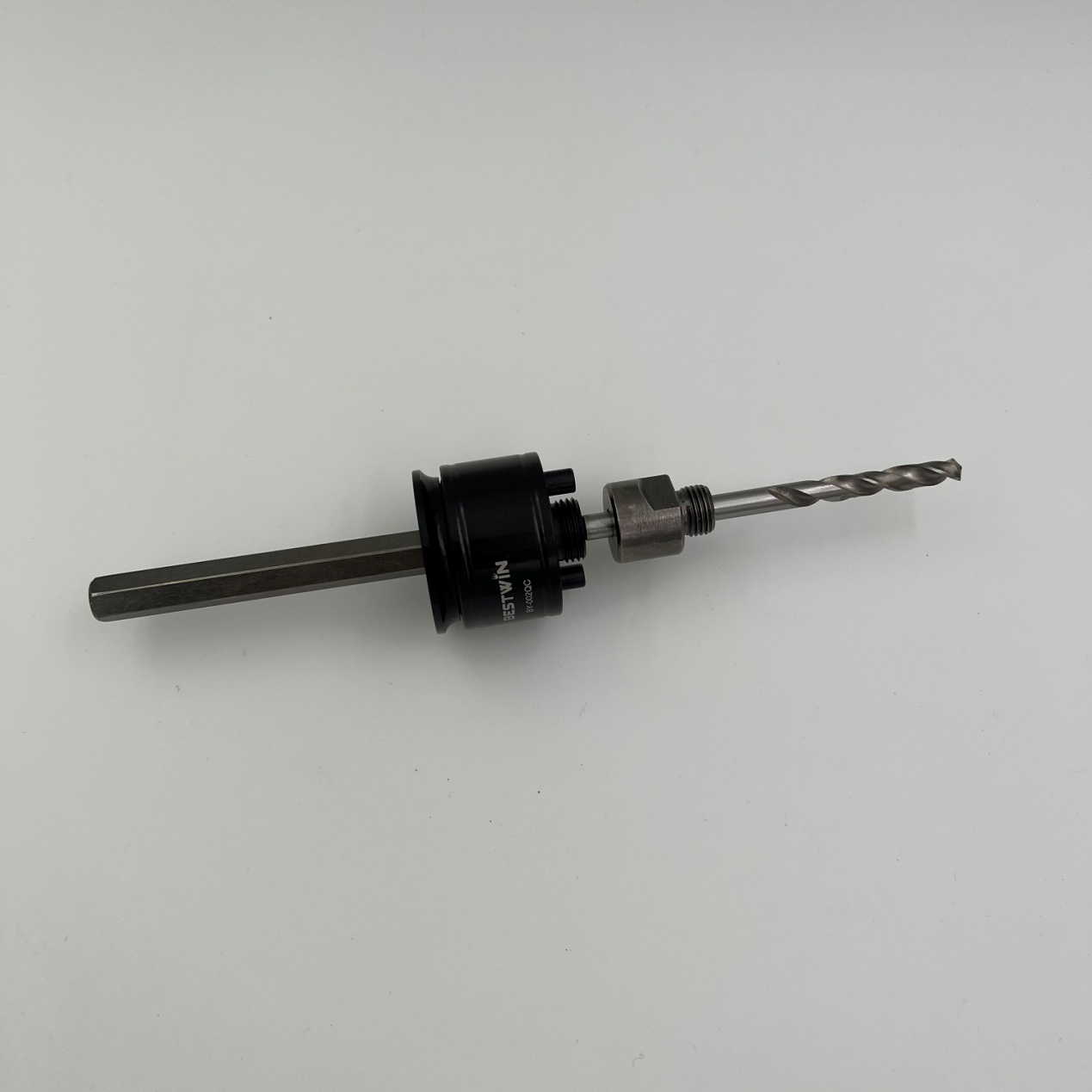
Machine Interface and Shank Must Follow Each Factory and Service Tool
A body factory may use drill presses, fixtures, pneumatic tools, or guided stations. Trailer assembly can also use portable corded or cordless drills. Service teams may carry compact tools with different chuck capacities. The selected product must fit the assigned machine before any cutting review has value.
Our drill bit manufacturer quotation lists diameter, working length, overall length, and shank independently. Round, reduced, hex, threaded, or arbor-based interfaces are not interchangeable. We also confirm whether the pilot, arbor, and hole saw are supplied as a set or controlled as separate refill items.
If one customer purchases for factory and field teams, our drill bit manufacturer packaging makes those interfaces unmistakable. Production packs can serve high-frequency fixed stations. Field kits can prioritize common service sizes, portable-tool fit, and protected storage. Individual refill codes prevent the entire kit from being replaced when one item wears.
A lista de ferramentas deve identificar o modelo da máquina ou a faixa do mandril, quando relevante, a tarefa atribuída, o material, o diâmetro e a quantidade anual ou por projeto. Esses campos nos permitem combinar o produto e o tamanho da embalagem sem fazer suposições sobre o equipamento do cliente.
Coated Parts Need Burr, Marking, and Rework Limits Before Approval
Painted, galvanized, powder-coated, and anodized surfaces can have different acceptance limits. An entry mark hidden by a large bracket may be acceptable, while the same mark around a visible lamp, sensor, or body fitting can create rework. A rough exit can also damage a cable, seal, or corrosion-protection layer.
Nosso registro de amostra de fabricante de brocas usa atributos práticos: diâmetro utilizável, ajuste de encaixe ou fixador, marcação de entrada, rebarba de saída, distorção do painel e retrabalho que afeta o custo de produção. O objetivo é decidir se o código selecionado suporta o plano de montagem e compra do cliente.
Edge condition changes with wear. We set drill bit manufacturer sample quantities to reflect the intended hole volume well enough to establish a replacement point. The approved reference can then carry into incoming inspection and repeat orders.
As the drill bit manufacturer, we control the product code, geometry, material, finish, labeling, and packaging. The customer retains the approved workpiece, assembly fit, coating, and production criteria used for repeat verification.
Mixed Materials Need Separate Codes to Prevent Wrong-Tool Use
One vehicle or trailer platform may use mild steel, galvanized sheet, high-strength steel, aluminum, stainless, polymer liners, wood flooring, and composite panels. An all-purpose label can make replenishment simple on paper but increase wrong-tool use at the station.
In our drill bit manufacturer product map, we separate material-specific tools when the cutting direction or acceptance reference differs. The case or bin label can identify the material, task, diameter, length, and machine. Similar diameters remain different stock items if they serve different workpieces.
Mixed kits should reflect real work frequency. Common body-sheet and bracket sizes can receive more pieces. Stainless, large-opening, or special fitting tools can remain in smaller controlled quantities. Our drill bit manufacturer refill plan follows usage by code rather than replacing a complete assortment at one interval.
For distributors, the same product map supports customer-specific kits without losing the base factory code. Packaging can change by market or vehicle program while the approved geometry, size, material role, and inspection reference remain controlled.
Samples Must Use Real Vehicle and Trailer Materials
Samples are most useful when they represent the order. The customer can provide body-sheet offcuts, coated brackets, high-strength parts, aluminum panels, stainless accessories, stacked sections, and the fittings that drive larger openings. We then prepare drill bit manufacturer samples matched to each group instead of sending an undifferentiated assortment.
The sample plan includes the machines and interfaces used in production or service. A result from a rigid drill press does not automatically predict a handheld result on an assembled trailer. The selected quantity should cover fit review, cutting review, packaging review, and any parallel customer approval locations.
We record the approved drill bit manufacturer code, diameter, working length, shank, material or product family, finish where applicable, label, pack quantity, and workpiece group. If a later order changes any of those fields, the customer can decide whether a new sample is necessary.
OEM customers can contact us directly or through our broca manufacturer channel. We apply the same drawing review, sample identity, packaging record, and batch controls regardless of the inquiry route.
Production and Quality Records Carry the Sample into Batch Supply
After sample approval, the batch specification must preserve the product that was reviewed. We connect the approved drawing or sample to the product code, material, geometry, heat-treatment direction, finish, size marking, packaging, and inspection requirements used for the order.
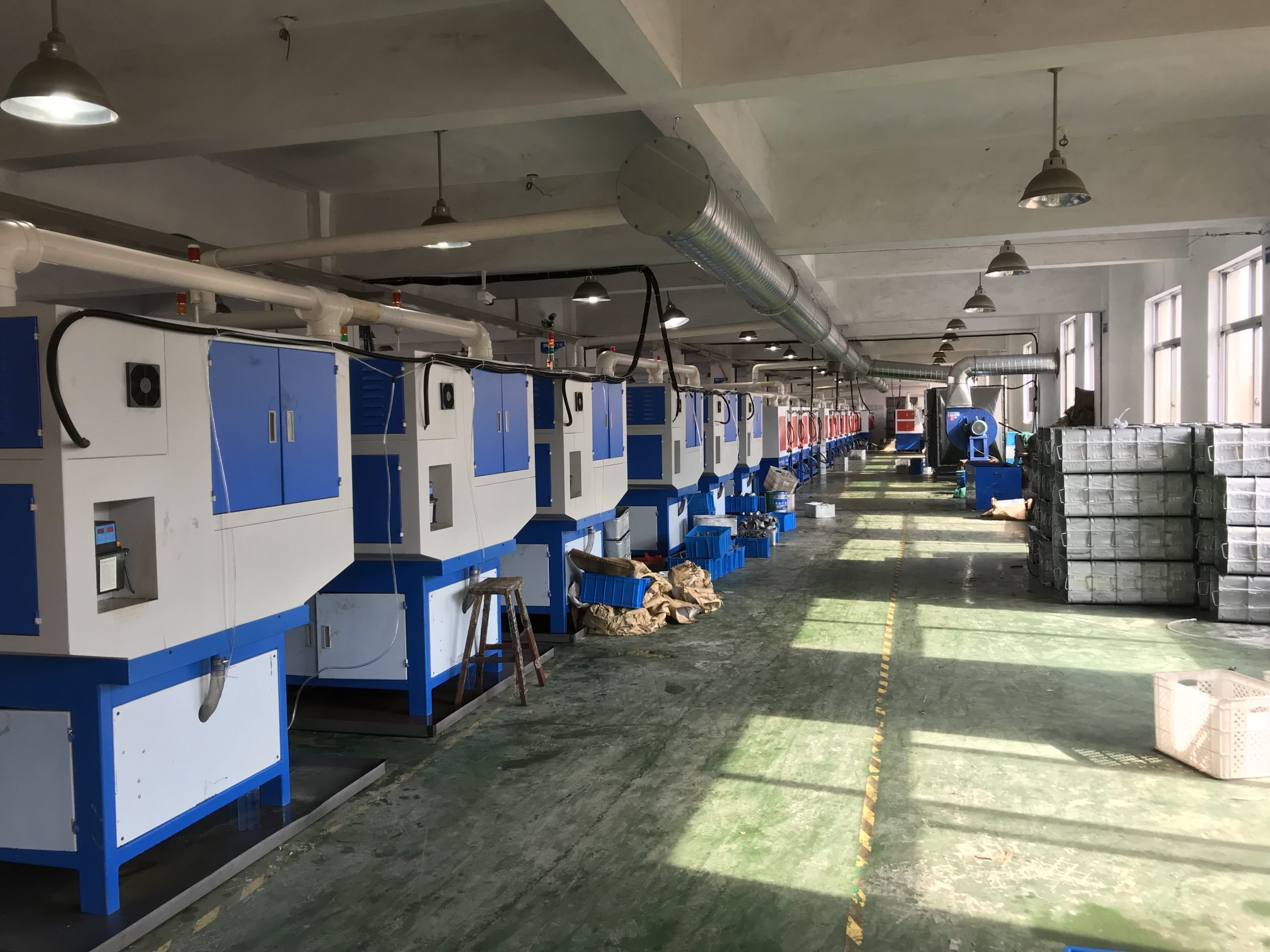
As an industrial drilling tool factory, Bestwin supports production, inspection, OEM or ODM packaging, bulk supply, and delivery coordination. Our drill bit manufacturer quality records help keep later batches aligned with the agreed product identity and customer application.
Change control belongs in the quotation. The customer can state which material, geometry, finish, marking, label, package, or process changes require notice and whether a new sample is needed. We then include that expectation in the commercial record.
The factory order also needs batch quantity and delivery pattern. A vehicle program may require scheduled refills by month, plant, station, or service network. Stable pack quantities and carton labels help distributors and factories allocate tools without opening mixed packages for every replenishment.
Refill Quantities Should Follow Consumption by Station and Material
Automotive and trailer programs consume tools unevenly. A few rivet and bracket sizes may account for most factory usage. Stainless or special fitting sizes may move slowly. Large-opening cups and pilot tools can have different replacement intervals even though they work as one system.
Our drill bit manufacturer refill plan assigns separate codes by task, material, diameter, length, shank, and package. Common production sizes can ship in factory packs. Service tools can ship by vehicle platform or regional kit. Hole saws, pilots, and arbors can be replenished independently when the approved system permits it.
Packaging requirements include case layout, printed size and material labels, barcode, carton quantity, multilingual instructions where required, and replacement maps. The drill bit manufacturer drawing or approved packing sample identifies every position and prevents a visually similar item from being substituted.
Demand history can refine pack quantities after the first batches, but it should not erase the approved product identity. We can adjust commercial quantities while preserving the geometry, material role, machine interface, and acceptance reference.
Material, Hole, Machine, Volume, and Packaging Complete the RFQ
A useful RFQ starts with the finished vehicle or trailer and divides its drilling tasks. For each hole, we need the part, material grade or type, coating, thickness or stack, diameter, fitting or fastener, edge requirement, machine, shank interface, access condition, and expected hole quantity for the drill bit manufacturer match.
The assortment section identifies body-sheet, bracket, aluminum, stainless, large-opening, factory, and service groups. It states which sizes are high-frequency refills, which belong in every service case, and which require dedicated pilots, arbors, or hole saws. Working lengths and interfaces remain separate fields even when diameters repeat.
The commercial section includes sample quantity, annual or project volume, pack quantities, case or bin layout, labels, barcode, OEM or ODM needs, carton specification, delivery schedule, destinations, spare ratio, inspection documents, and change-notification expectations. These fields allow us to prepare a drill bit manufacturer quotation that can move from samples to repeat batches without losing the approved identity.
We Match Drill Bits to the Complete Vehicle Fabrication Program
The product decision follows the workpiece and hole function. Body sheet needs controlled starting and breakthrough; structural brackets need a metal-cutting family matched to grade and thickness; aluminum needs sharp cutting and chip clearance; stainless needs a heat-resistant direction; and larger openings need a compatible pilot, hole saw, and arbor system.
Send us the drawings, materials, coatings, machines, sizes, volumes, sample plan, and packaging requirements before fixing the assortment. As your drill bit manufacturer, we can match approved product codes and carry them into factory refills, service kits, OEM packaging, and repeat batch orders.







 English
  العربية
  Français
  Português
  Português do Brasil
  Italiano
  简体中文
简体中文  繁體中文
繁體中文  日本語
日本語  한국어
한국어  Deutsch
  Español
  Slovenčina
  ไทย
ไทย  Türkçe