

A wall opening becomes useful when the service passing through it can be installed properly. A pipe sleeve needs room for its intended arrangement, a cable entry may need a protective fitting, and an opening through a thick wall has to remain accessible from the available working side. On a building project, those details can change the cutting assembly even when several holes appear similar on the drawing. The hole saw cup is one part of that assembly. Its material suitability, connecting rod, guide arrangement and permitted machine combination all affect whether it fits the actual installation task.
Quick Answer
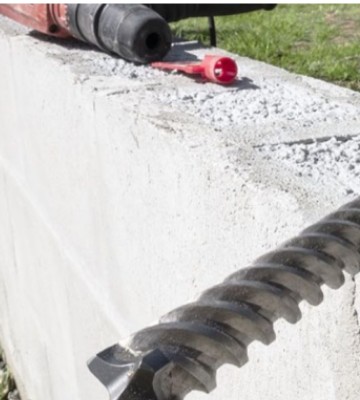
A hole saw for masonry service openings needs to match the actual wall material, required opening diameter and usable cutting depth. Hollow hammer core formats are relevant to suitable wall opening work, with the cup, connecting rod and guide treated as a compatible assembly. Machine capacity and permitted operating mode need to be established for that complete combination.
At Bestwin, we manufacture and supply hole cutting tools for construction and installation work. Our range includes hollow hammer core bits, connecting accessories and other hole saw families for different materials. We match suitable models to wall opening requirements while keeping masonry work separate from timber cutting, metal cutting and diamond cutting of finished surfaces.
The Installed Sleeve Determines the Useful Opening
A service opening is often described by the pipe or cable that passes through it. That description is only a starting point. A sleeve can be larger than the service itself, and a protective fitting or specified sealing arrangement can affect the required opening further. The hole saw diameter follows the actual installation detail, including any required clearance around the component.
For example, a service pipe through an external wall may be installed inside a sleeve rather than directly against the wall edge. An opening selected only from the pipe name can then be too small. Conversely, increasing the diameter without reference to the detail can leave an unnecessarily large gap. The tool supplies the specified opening; it does not establish how the penetration is sealed or whether the wall detail is approved.
The same principle applies to grouped services. Several cables passing through one entry do not automatically justify a larger hole saw chosen by visual estimation. A gland, bushing or sleeve has its own opening requirement. Once that requirement is established, the cutting product can be selected around a real diameter rather than an approximate bundle size.
Wall finishes also influence what counts as an acceptable result. A rough service space and a visible plant room face may need different attention to the entry and exit edges. Surface repair allowances, fitting coverage and the final sleeve position are installation details that make the product choice more precise. They connect the cutting tool to the finished opening without turning the tool selection into a complete building services design exercise.
Wall Material Comes Before the Cutter Family
Masonry is a broad description. Solid brick, hollow units, blockwork and concrete present different cutting conditions. A hollow hammer core product needs explicit suitability for the actual substrate and intended operation. The fact that a hole saw has carbide cutting elements or connects to a rotary hammer does not establish a universal approval for every wall.
Hollow construction deserves particular care because the cutter can move between a solid web and a void. Surface condition and support may change as the opening progresses. In an existing building, render or plaster can also hide the masonry beneath it. The relevant product direction follows the wall construction rather than the color or appearance of the finished surface.
Concrete can introduce reinforcement and a different cutting requirement. A masonry hole saw cannot be assumed suitable for cutting steel simply because the wall also contains concrete. Where reinforcement may be present, the approved location and the appropriate cutting system need to be established. Unplanned contact with metal is a reason to reassess the work rather than force an unsuitable accessory onward.
Our construction range includes products intended for different materials and cutting methods. We supply hollow hammer core formats for suitable installation openings, while diamond and toothed hole saw families serve their respective applications. Keeping those families distinct helps maintain a clear relationship between the cutting edge, the substrate and the machine arrangement.

The Cup and Connecting Rod Work as One Assembly
The hole saw cutting cup receives most of the attention because it determines the nominal opening size. However, the connecting rod establishes the connection to the machine and contributes to the available reach. A hole saw assembly therefore needs compatible components throughout. Two parts that appear similar are not automatically interchangeable in thread, fixing method or permitted duty.
The guide arrangement matters at the beginning of the opening. A correctly matched center guide helps establish the position according to the product’s instructions. Its condition and retention affect the complete tool, even though it is smaller than the cup. Replacing it with an accessory of uncertain fit can introduce a problem into an otherwise suitable assembly.
Working length also needs to be understood accurately. The overall length of a rod and cup is not the same as the cup’s usable cutting depth. A longer connecting rod can provide reach, but it does not simply turn a shallow cup into a deep continuous cutting tool. The material section, cup capacity and approved clearing method still govern how the opening can be made.
For installers moving between several diameters, a compatible component system can make the range easier to manage. The benefit depends on the actual interchangeability of the parts, rather than a general promise that all wall cutters share one rod. We supply hole saw product families and related accessories with those connections kept specific to the selected range.
An assembled hole saw also needs inspection as a unit. The cup connection, guide retention and machine end each have a different role. Wear or damage at any one point can affect the result. A serviceable cutting rim does not compensate for a loose connection, just as a sound rod does not restore a damaged cup.
Diameter and Depth Affect Machine Compatibility
A machine capable of making a small masonry hole is not automatically suitable for a much larger core cup. The hole saw diameter, cutting method and substrate all affect the demand on the tool. Permitted accessory capacity and operating mode need to come from the relevant machine and accessory instructions for the actual combination.
Shank fit is necessary but incomplete. A connecting shank entering the tool holder establishes only one part of compatibility. The machine must also be intended to drive that type of accessory at the selected size. An adapter may change the physical connection while leaving other limits unchanged. It cannot be treated as a general upgrade in cutting capacity.
The working position changes the practical decision as well. A horizontal opening at a convenient height offers different handling conditions from an overhead position or a location close to a corner. A longer hole saw assembly can require additional space behind the machine. The available access needs to accommodate the complete tool while allowing the operator to retain control.
For repeated site work, a matched cutter and machine arrangement is more useful than choosing the cup alone and resolving the rest at the wall. The relevant product information includes diameter, usable depth, connection type and intended operation. These are manageable selection factors that have a direct effect on installation work, without requiring a detailed theory of the cutting mechanism.
Table 1. Main Decisions for Masonry Service Openings
| Opening requirement | Product factor | Practical implication |
|---|---|---|
| Sleeve or fitting passage | Actual cutout diameter | The installed component establishes the required opening |
| Thick wall section | Usable cutting depth and reach | Rod length and cup capacity need separate confirmation |
| Brick or block construction | Substrate suitability | Wall type determines the relevant cutting family |
| Restricted approach | Complete assembly length | Machine and accessory need workable access together |
| Repeated diameters | Compatible replacement components | Cups, guides and rods retain their intended fit |
Small Fixing Holes Remain a Separate Job
Building services installation often places small fixing holes close to a larger passage. A pipe support may need anchors, while the pipe itself passes through a sleeve opening nearby. The hole saw serves the larger circular opening. A suitable masonry bit serves the fixing hole according to the anchor requirements. Their proximity does not make their size, depth or acceptance criteria interchangeable.
This distinction is useful when preparing an installation range. The larger cup may be used only a few times, while anchor drilling repeats along the route. Keeping separate products for those duties allows replacement and machine planning to follow the actual work. A worn small bit and a worn hole saw cup also need different replacement decisions.

A guide used in a core assembly is another separate component. It is selected for that assembly and is not automatically the same product used to make the final anchor hole. The intended connection, projection and retention all matter. Treating every smaller masonry accessory as a substitute for the guide can compromise the compatible system.
Bestwin supplies electric hammer drilling accessories alongside wall opening products. Our masonry drilling range covers a different role from the hole saw category used to make larger circular passages. For contractors and trade distributors, providing both ranges is useful when their material ratings and purposes remain clearly identified.
Finished Layers May Require Another Cutting Method
A service opening can pass through more than one material. A tiled surface may cover masonry, while a timber lining or metal panel can form the visible side of another wall. A hole saw suitable for the structural substrate does not automatically provide an appropriate cut through every finish in front of it. The full material stack needs to be recognized before choosing the assembly.
Tile and stone surfaces can call for a suitable diamond cutting product, with its own machine and cooling conditions. A wall core product is not a substitute simply because it can produce an opening of the same diameter. Likewise, a toothed cup intended for wood or metal does not become a masonry cutter when installed on a long arbor.
The transition between layers may also affect support. A thin lining can move differently from the solid substrate behind it. The finished edge needs to suit the fitting, and the substrate opening needs to suit the service detail. Where more than one tool family is required, each can perform the part of the opening it is designed to handle.
This is where a broad product range has practical value. We supply several hole saw families rather than presenting one cup as suitable for every building material. The choice can remain straightforward: identify the material at the cutting edge, establish the necessary diameter and depth, then use a compatible tool arrangement for that part of the work.
Judge the Opening by the Installation Result
A completed hole saw passage needs more than a visible circle at the entry face. The sleeve or protective fitting must pass as intended, and the usable opening has to continue through the required section. A hole saw can produce an acceptable entry yet leave an obstruction farther inside. The finished passage therefore needs checking against the actual component and the accessible sides of the wall.
Edge condition matters where a fitting needs to seat against the wall. Large breakouts can leave an uneven bearing area or require repair before the service is installed. The appropriate cutting approach, support and access planning help manage this risk. The aim is a usable opening at the specified location, with a finish suitable for the intended component.
During repeated work, changes in cutting effort or hole quality can indicate that the assembly needs attention. A worn cup, damaged guide or loose connection can affect performance differently. Replacement follows the affected component and its permitted service arrangement. Continuing simply because the hole saw still removes some material may add unnecessary repair work at the opening.
A representative sample opening provides practical confirmation where the substrate and installation conditions are known. It can establish access, hardware fit and the suitability of the complete tool arrangement. It does not authorize drilling at other locations without the necessary checks for concealed services or structural restrictions. Those site requirements remain part of the approved work.
Keep Replacements Consistent Across the Range
Site supply becomes more useful when replacement cups and connecting parts remain identifiable. A hole saw assortment may cover several recurring sleeve sizes, but the rod and guide relationship still needs to remain clear. Packaging that separates incompatible components helps prevent an apparent replacement from being installed in the wrong assembly.
Frequently used diameters can justify individual replenishment. Less common sizes may remain in a broader kit for occasional installation work. The useful balance follows the service openings actually encountered, rather than the largest possible case assortment. A compact hole saw range with compatible spare guides and clearly identified rods can support routine work effectively.
As a hole saw manufacturer, Bestwin offers wall opening products within our construction accessory range and supports OEM and ODM requirements for project materials, product identification and packaging. Product marking and packaging help keep the selected family, diameter and connection recognizable through distribution and storage. These details are relevant to repeat batch supply because the replacement needs to preserve the established assembly.
For a hole saw supplier, consistency includes the relationship between the supplied components and the product information. A cup, rod and guide need to remain the intended combination. We supply suitable product families for installation contractors, wholesalers and project customers without treating every accessory in the wider catalog as interchangeable.
Table 2. Replacement Items and Their Roles
| Component | Role in the opening | Replacement consideration |
|---|---|---|
| Core cup | Produces the larger circular cut | Diameter, usable depth and material suitability |
| Connecting rod | Links the cup to the machine | Intended cup connection and machine end |
| Center guide | Establishes the initial location | Correct format, retention and permitted projection |
| Separate masonry bit | Makes specified smaller fixing holes | Anchor requirements and actual substrate |
Frequently Asked Questions
Is the service pipe size the required cutter size?
Not necessarily. The opening may need to accommodate a sleeve, protective fitting or specified clearance. The hole saw diameter follows that complete installation requirement. A nominal pipe description alone does not define the finished cutout.
Does a longer rod increase the cup’s cutting depth?
It can increase the reach of the assembly, but the cup retains its own usable cutting capacity. Wall thickness, clearing method and the approved tool arrangement still need to be considered. Overall tool length and continuous cutting depth describe different things.
Can the same cup cut reinforcement?
A hole saw suitable for masonry cannot be assumed suitable for steel reinforcement. Material ratings and the approved location govern the work. If unexpected metal is encountered, the cutting method and location need reassessment before proceeding.
Are rotary hammer shanks interchangeable with ordinary arbors?
Connection systems need to be matched to their intended cups and machines. Physical similarity does not establish thread compatibility, retention or permitted duty. The complete assembly needs the appropriate component combination.
What belongs in a practical installation assortment?
The recurring opening diameters, compatible rods and guides, and separate accessories for the smaller fixing holes form a useful starting point. Material changes may require additional cutting families. Each item retains its own intended application and machine conditions.
Match the Complete Assembly to the Wall Opening
A suitable hole saw works as part of a compatible assembly chosen for the installed fitting, actual substrate and accessible wall section. At Bestwin, we supply construction cutting products, related drilling accessories and OEM packaging support. Our hole saw range provides distinct options for different materials, with the cup, connection and guide kept together as a practical product decision.


 English
 العربية
 Français
 Português
 Português do Brasil
 Italiano
 简体中文
 繁體中文
 日本語
 한국어
 Deutsch
 Español
 Slovenčina
 ไทย
 Türkçe