

Quick Answer
Match a drill bit to a glass or mirror fitting hole by the glass type, permitted fabrication process, required opening, and compatible machine connection. Diamond core tools are a useful product direction for suitable circular openings in drillable glass, while smaller holes may require a different glass-rated tool. Finished toughened or tempered glass must not be drilled. Any required holes in a toughened panel belong in the approved fabrication process before toughening.
At Bestwin, we manufacture and supply drilling tools for glass, ceramics, stone, and other materials. Our glass-working range includes diamond cutting products and related accessories for workshops, contractors, distributors, and OEM customers. We match the drill bit family to the material and opening while the glass fabricator’s requirements establish whether a particular panel can be processed and how its fittings must be accommodated.
Glass Fittings Start With the Panel’s Fabrication Status
A decorative mirror, a glass furniture component, and an architectural panel may all need circular openings for fittings. Their appearance can be similar, but their processing limits can differ substantially. The first product decision is therefore not a diameter. It is whether the identified panel is drillable under the approved fabrication arrangement and whether the proposed opening belongs in that stage of work.
Toughened glass has already undergone a process that changes its response to damage. It is not a normal candidate for adding a site-drilled fitting hole. The opening must be planned before toughening, with the fabricator establishing the permitted detail. A diamond drill bit capable of abrading ordinary glass does not change that limit or make an existing toughened panel suitable for alteration.
For drillable glass and suitable mirror constructions, the fitting defines the opening. A fixing sleeve, decorative support, or through-panel fitting can require a different hole from the visible screw or tube. The useful drill bit follows that cutout requirement and the panel’s allowed processing method, rather than a convenient dimension taken from just one hardware component.
Our products support the cutting-tool part of this decision. They do not replace the glass specification or the fitting manufacturer’s preparation detail. Keeping those roles distinct is practical for both a fabrication workshop and a contractor ordering prepared panels. Sometimes the useful product decision is to obtain a correctly fabricated panel rather than attempt to add an opening during installation.
Table 1. Glass Fitting Tasks and Product Direction
| Application | Main opening requirement | Product or process direction |
|---|---|---|
| Decorative mirror with approved through-fixings | Cutout for the complete fitting and protective components | Glass-rated tool matched to the mirror construction |
| Drillable glass furniture component | Circular passage with acceptable visible edges | Suitable diamond core product and fabrication setup |
| Panel intended for later toughening | Openings included before heat treatment | Tooling within the fabricator’s approved preparation process |
| Finished toughened panel | No additional drilling after toughening | Correctly prepared replacement or another approved solution |
| Enlarging an existing opening in drillable glass | Stable guidance and a permitted revised detail | Separate supported enlargement method |
The Fitting Determines the Useful Hole Size
A fitting can include a sleeve, bush, washer, gasket, or other protective component between the metal and glass. The specified opening therefore may be larger than the fastener passing through it. The drill bit size should follow the complete fitting detail. Choosing only from the visible screw size can leave no room for the components that protect and locate the connection.
The opening’s position is also part of the requirement. Distance from an edge, another hole, or a corner must follow the glass fabrication and fitting detail. A small core tool cannot make an unsuitable location acceptable simply because it can start there. The permitted hole pattern belongs to the panel design, not to the drill bit’s physical reach.
Glass thickness affects both the fitting and the cut. The hardware must accommodate the panel, while the drill bit needs usable cutting depth for the intended opening. These checks are related but independent. A fitting’s stated thickness range does not prove that every core product can complete the hole using the same approach or machine arrangement.
A practical sample uses representative glass and the complete fitting components. It establishes whether the opening allows the intended assembly and whether the visible entry and exit edges are acceptable. This is more informative than comparing nominal dimensions alone. An opening that looks clear from one side can still have a poor exit edge or insufficient room for its protective sleeve.
Diamond Core Products Suit Appropriate Circular Openings
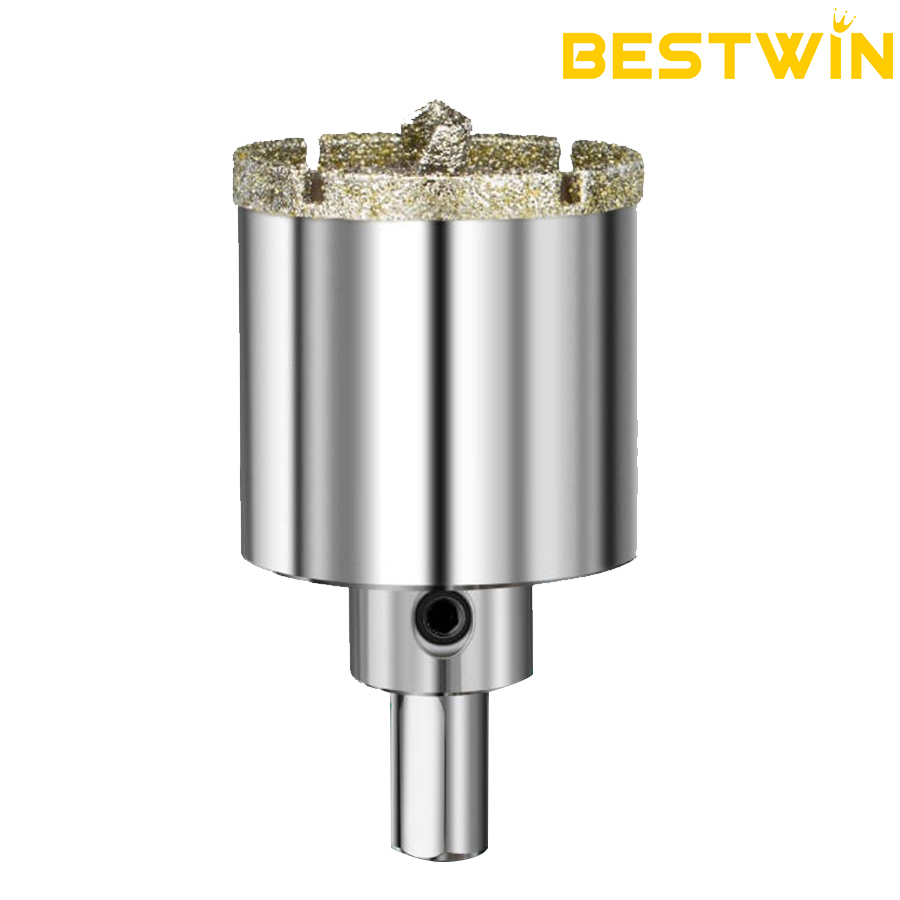
A diamond core tool cuts around the outside of an opening and leaves a core inside the barrel. That form can be useful for circular fitting holes in suitable glass. The abrasive cutting edge differs from the teeth of an ordinary wood or metal cup. A conventional toothed hole cutter is not a substitute merely because it has the same nominal diameter.
Our diamond range includes core-cutting products with stated applications in glass, ceramics, and stone. The relevant drill bit must still match the actual material and processing method. A product family name is not a universal guarantee across coated glass, laminated constructions, different mirror backings, or every heat-treated panel. Specific material suitability remains necessary.
Core depth and connection are important practical specifications. A barrel must have enough usable capacity for the intended cut, and the mounting arrangement must suit the selected machine. A longer overall assembly does not increase the depth available inside the core tool. The product should be identified by its useful cutting dimensions and connection together.
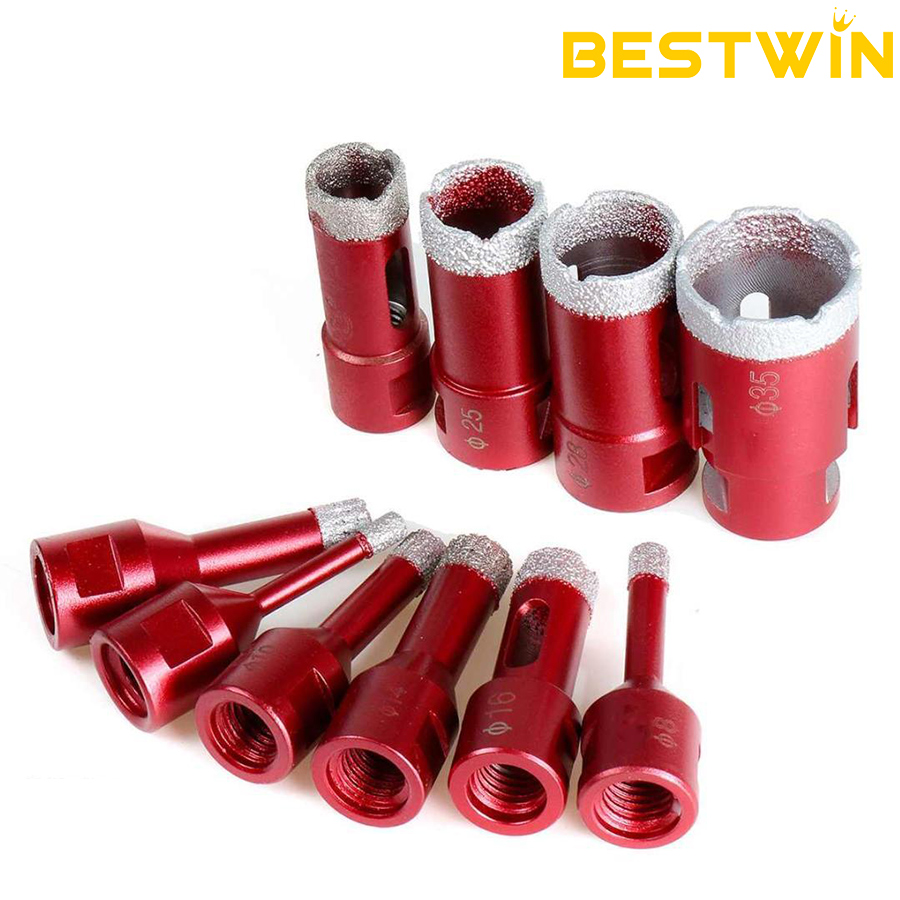
We supply diamond products in several forms within our glass and masonry cutting range. Some threaded products use a machine arrangement different from a conventional drill chuck. The drill bit form needs to remain clear in a mixed assortment so that a small drill bit and a threaded diamond core accessory are not treated as directly interchangeable simply because both make round openings.
Mirrors Bring Surface and Backing Considerations
A mirror adds a reflective backing and often protective layers to the glass substrate. The tool and process must suit that construction, not only the clear glass at the face. Damage to a backing layer can remain visible even when the opening itself is circular. The permitted fabrication and any edge treatment follow the mirror and fitting requirements.
The visible area around a decorative fixing is particularly important. A cap or washer may cover part of the hole edge, but it does not justify uncontrolled damage outside the intended covered region. A suitable drill bit and supported setup should produce the condition needed by the complete fitting. Hardware coverage is an installation detail, not a general allowance for breakout.
The opposite face needs attention too. A panel that looks satisfactory at the entry can show chips or backing damage at the exit. A representative trial reveals those conditions before repeated work. Testing only uncoated glass may miss a mirror-specific issue, so the sample should reflect the surface and backing that the finished application actually uses.
The fitting should not force the glass into position. If its components cannot align and seat as specified, changing the tool or enlarging the opening is not automatically the right response. The hole pattern, component dimensions, and panel detail need to agree. The drill bit serves that arrangement; it does not establish a new hardware design during installation.
Cooling and Machine Compatibility Belong With the Product
Glass-working tools can require a specified cooling method to control the cutting condition. Our glass-working range includes products used with water-cooled operation, while the particular accessory and machine determine the permitted arrangement. A product intended for one method should not be assumed suitable for another because the diamond edge looks similar.
Water use also requires compatible equipment and the appropriate controlled process. A general-purpose electrical tool does not become suitable for wet operation simply because a glass drill bit benefits from cooling. The machine and accessory instructions belong together. This is a product and setup compatibility decision before the work begins, rather than a reason to improvise around an unsuitable tool.
Threaded diamond products need a matching connection. A nominal thread description should not be confused with a plain shank size, and an adapter can change reach and handling. The complete assembly must suit the machine and intended operation. Physical attachment alone does not establish that the speed range, direction, and use conditions are appropriate for the accessory.
For repeat fabrication, it is useful to keep each diamond drill bit with clear information about diameter, usable depth, connection, and required operating method. That makes replacements and sample comparisons meaningful. A different-looking product with the same diameter can still require a different machine arrangement or process, so a size marking should not be the only identifier in the tool case.
Support and Starting Control Protect the Opening
Glass needs an appropriate supported arrangement during fabrication. The panel must remain stable without introducing damaging local contact or forcing it out of shape. The tool needs a suitable way to locate the opening, particularly where a core drill bit has no central pilot. Support and guidance are part of the intended cutting setup, not accessories that can be ignored when the barrel seems sharp.
A small diamond drill bit can be difficult to judge from its appearance. The actual product form determines how it begins the cut, clears material, and completes the opening. A method suited to one core accessory may not apply to another. The practical choice is a product and guidance arrangement supported by the manufacturer’s instructions and the fabricator’s process.
An existing hole presents a separate starting condition. Where the original center is missing, a conventional pilot arrangement may have no material to engage. Enlarging the opening needs a permitted revised detail and suitable guidance. Simply selecting the next larger drill bit can damage the edge or leave the opening misplaced relative to the fitting.
General reference material describes a drill bit as a drill bit tool for creating holes, but glass fittings impose a more specific acceptance condition. The diameter, location, edge quality, and fabrication status must all suit the panel and hardware. Fast material removal by itself is not a useful standard for a finished glass component.
Accept the Opening as Part of the Glass Component
A finished hole needs inspection on both faces and around its edge. The acceptable condition comes from the glass and fitting requirements, including any necessary finishing operations. A neat entrance does not establish that there is no exit damage. Likewise, a fitting that passes through the opening does not prove that the surrounding glass is suitable for service.
A trial assembly can show whether sleeves, protective parts, and visible trim sit as intended. It should use the actual hardware and a representative panel. This keeps product evaluation connected to the finished application. A hole measured in isolation offers less information about an assembly with several components and a limited seating area.
Tool wear should be judged against that result. If the diamond edge, body, or connection no longer supports the specified opening condition, the accessory needs attention before further work. Replacing the drill bit helps future openings. A panel already damaged during processing still needs its own acceptance decision under the fabrication requirements.
No cutting tool provides a blanket promise of chip-free or crack-free glass. The panel material, permitted detail, support, operating method, and tool condition all contribute. Our product direction stays focused on an appropriate diamond cutting family and compatible setup, with a representative sample used to establish the intended finish rather than a claim that one accessory removes every processing risk.
Assortments Need Clear Material and Connection Labels
A glass fabrication assortment should distinguish the required opening sizes and the product forms used to make them. Small fitting holes, larger circular passages, and threaded diamond accessories can have different handling and machine requirements. Clear separation makes the case more useful than an assortment grouped only by increasing diameter.
As a drill bit manufacturer, Bestwin supports OEM and ODM product assortments, brand identification, packaging, and bulk supply. Our diamond and other drilling product families support material-based configurations for workshop and installation customers. The useful configuration keeps the intended material, cutting dimensions, and connection visible so compatible replacements remain straightforward to identify.
The same workshop may handle glass, tile, stone, wood, and metal. That does not mean that each diamond drill bit serves all of those materials or that one connection suits every tool. The product’s stated use and the actual workpiece govern the match. A mixed case remains practical when the different roles are explicit and unsuitable substitutions are easy to avoid.
For a drill bit supplier, repeat availability of a frequently used fitting size matters more than the number of rarely used accessories in a case. Replacement identification should preserve the material rating and machine connection as well as diameter. This allows a workshop to maintain a proven product arrangement without assuming that any round cutting accessory is an equivalent substitute.
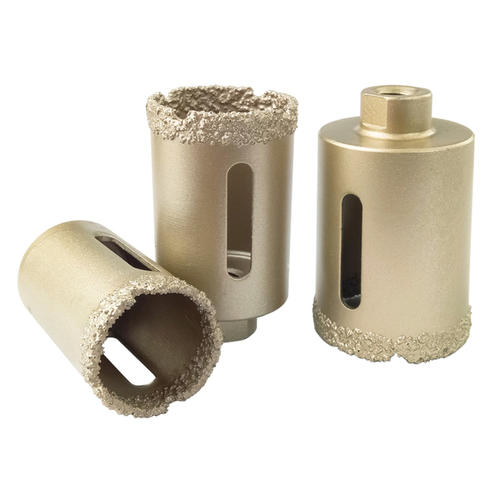
Table 2. Useful Checks for a Glass Fitting Tool Assortment
| Check | Practical purpose |
|---|---|
| Identified glass type and fabrication status | Establishes whether the panel can be drilled |
| Cutout tied to the complete fitting | Provides space for the intended protective components |
| Suitable diamond product and depth | Matches the cutting form to the opening |
| Compatible machine and connection | Supports the product’s intended operating arrangement |
| Representative sample and trial fitting | Shows visible edges and assembled fit |
| Clear replacement identification | Preserves the approved material and connection match |
Frequently Asked Questions
Can a diamond drill bit add a hole to toughened glass?
No. Required drilling must take place before toughening within the approved fabrication process. The cutting ability of a diamond edge does not change the limitation of a finished toughened panel. An installation needing a different hole arrangement requires an appropriate panel or another approved solution rather than a more aggressive accessory.
Are a mirror and clear glass always the same drilling application?
No. A mirror can include backing and protective layers that affect the required process and visible result. The substrate must be identified, and the sample should represent the complete construction. A suitable result in plain glass does not by itself establish acceptable backing condition or finish in the mirror intended for installation.
Does the fitting screw determine the drill bit diameter?
The complete fitting detail determines the opening. Sleeves, bushes, and other protective parts may need additional space around the screw or fitting. Choosing only from the visible fastener dimension can leave an unsuitable cutout. The product should match the specified opening while maintaining the permitted hole position and surrounding glass.
Can every threaded diamond core product be used in a drill chuck?
No. Threaded accessories and plain-shank tools use different connection arrangements. The selected product requires a compatible machine and operating method. An adapter does not automatically establish suitability. Keep the drill bit form, connection, and machine requirements together when assembling or replacing a tool.
What should a sample opening prove?
It should show the required diameter and position, acceptable entry and exit edges, and fit with the actual hardware. It must also use an appropriate fabrication method for the identified glass. This connects product evaluation to a usable component rather than merely proving that a tool can remove material from a glass sample.
Let the Panel and Fitting Define the Tool
A suitable drill bit supports the required opening in glass that is permitted to be processed. Start with the panel’s fabrication status and the complete fitting, then match the diamond product, cutting depth, connection, and operating arrangement. Our glass-working tools and clearly identified assortments support that practical choice while the glass fabrication requirements remain the basis for the finished component.


 English
 العربية
 Français
 Português
 Português do Brasil
 Italiano
 简体中文
 繁體中文
 日本語
 한국어
 Deutsch
 Español
 Slovenčina
 ไทย
 Türkçe